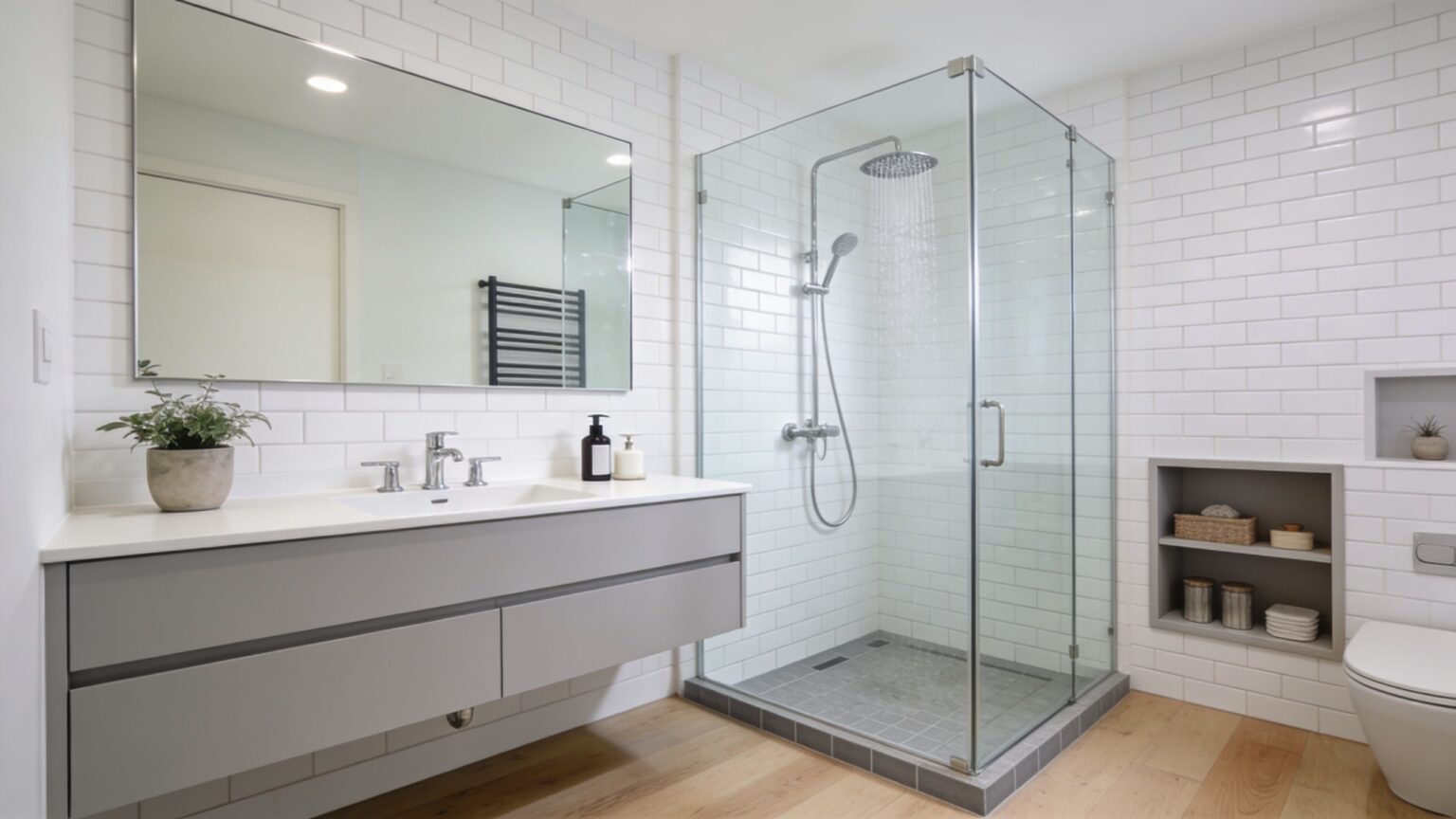
Get a detailed breakdown of bathroom renovation costs in Melbourne. Learn price ranges, cost drivers, timelines & budgeting for your project.
A bathroom renovation in Australia averages $26,000, but in Melbourne you should plan more carefully than that. A standard local renovation often lands in the $15,000 to $35,000 range, while a professionally managed Melbourne project can sit around $25,000 to over $60,000 depending on scope, compliance, and the age of the home.
If you're pricing a bathroom right now, you've probably already seen advice that feels too broad to be useful. One site says one thing, another quote says something much higher, and suddenly you're wondering whether the numbers are inflated or whether the cheap quote is missing half the work.
That confusion is common in Melbourne. A bathroom in a newer home with a simple like-for-like layout is one job. A bathroom in a Victorian or mid-century home with tired plumbing, uneven walls, old subfloors, and stricter compliance needs is a very different job.
Most homeowners don't need a generic Australian number. They need to know what drives bathroom renovation costs melbourne specifically. That means labour rates, waterproofing, tiling complexity, plumbing access, permits, and whether someone is coordinating the whole job properly from day one.
Your Guide to Bathroom Renovation Costs in Melbourne
The national average is often the initial figure identified. According to Hipages bathroom renovation cost data, the average cost of a bathroom renovation across Australia is $26,000, with most Melbourne standard projects falling between $15,000 and $35,000, and premium upgrades going beyond $35,000.

That number is useful as a starting point. It isn't enough on its own if you're planning a real project in Melbourne.
A lot of the gap comes from local conditions. Older homes often need more prep. Plumbing locations aren't always where they should be. Walls and floors are rarely perfectly straight. And once you add proper trade coordination, compliance, and a cleaner finish standard, the cost moves well beyond what a national average suggests.
Why Melbourne quotes often feel higher
Melbourne renovations often carry costs that don't show up in broad national guides.
- Period home complications: Older properties commonly need extra carpentry, levelling, repair work, and careful integration with existing finishes.
- Compliance pressure: Wet areas aren't forgiving. Plumbing and waterproofing need to be done properly, not just made to look good.
- Labour reality: Skilled bathroom trades are expensive, and bathrooms need several of them in a tight sequence.
- Management load: A bathroom might be small, but it's one of the most coordination-heavy rooms in the house.
If you're renovating in a character suburb, local examples are often more useful than generic state-wide advice. Homeowners comparing finishes, layouts and expectations in Malvern bathroom renovations in 2026 can get a clearer feel for how suburb style and home type shape the final result.
Practical rule: If a quote feels far lower than every other quote, check what's missing before you assume you've found a bargain.
What actually matters when setting a budget
A workable budget starts with scope, not with a hopeful number.
Ask yourself:
- Are you keeping the layout? That usually keeps costs calmer.
- Are you changing plumbing positions? That pushes labour and compliance work up fast.
- Are you choosing standard fixtures or custom finishes? Small selections add up quickly.
- Do you want someone to manage the full job? That costs more upfront, but it usually reduces mistakes, delays, and finger-pointing.
The right budget isn't the cheapest one. It's the one that matches the condition of your home, the standard you want, and the amount of risk you're willing to carry.
Typical Melbourne Renovation Price Tiers Explained
Pricing makes more sense when you look at renovation tiers instead of one average figure. According to LocalExpert's Melbourne bathroom renovation cost guide, budget upgrades average $450/sqm ($5,000 to $10,000), mid-tier remodels average $1,200/sqm ($15,000 to $20,000), and full renovations can reach $2,500/sqm ($20,000 to $30,000+), with a 5-8% metro premium over national averages in some Melbourne conditions.

Cosmetic refresh
This is the lowest-cost path and it suits bathrooms that are tired but still functional.
- Best for: Owners who want the room to look cleaner and newer without opening up major work.
- Typical scope: New fixtures, paint, basic finish updates, and selective replacement work.
- What keeps it affordable: The layout stays largely as-is and services are disturbed as little as possible.
- Where it can disappoint: If the room has hidden water damage, poor fall, old waterproofing, or awkward storage, a cosmetic pass won't fix the underlying problem.
This tier works when the bones are decent. It doesn't work well when people expect a full transformation on a refresh budget.
Mid-range renovation
For many practical family bathroom projects, the room is stripped back further, core items are replaced, and some layout or plumbing adjustment may happen without turning the job into a full redesign.
A mid-range renovation often gives the best balance between finish, durability, and cost control. You can improve storage, upgrade the shower, replace dated tiles, and make the room easier to clean without chasing every luxury inclusion.
Common trade-offs in this bracket include:
- Porcelain over stone: Easier on budget and simpler to maintain.
- Standard-size vanity over custom joinery: Better value if the room allows it.
- Keeping the toilet or shower roughly where it is: Less disruption behind walls and under floors.
A sensible mid-range bathroom usually feels more expensive than it is, because the layout, lighting, and tile choices do most of the visual work.
Premium gut and redesign
This is the full reset. The bathroom is stripped back, reworked, and rebuilt with higher-end materials or a substantially different layout.
- Best for: Homeowners fixing a dysfunctional room, upgrading a period home, or building a more polished ensuite or family bathroom.
- Typical scope: Full demolition, plumbing changes, electrical changes, extensive tiling, upgraded fixtures, and often custom joinery or glass.
- What drives the jump in price: More labour, more coordination, more compliance, and a much greater finish expectation.
- Who it suits least: Anyone trying to build a premium bathroom on a cosmetic budget.
A premium bathroom isn't expensive just because of fancy fittings. It's expensive because every decision has a flow-on effect. Move one wall, shift a shower, choose larger feature tiles, specify a frameless screen, and the whole trade sequence becomes more demanding.
Which tier usually makes sense
Homeowners don't need the cheapest option or the most ambitious one. They need the tier that fits the room's condition.
If the bathroom is structurally sound and the layout works, a refresh or mid-range remodel can be enough. If the room has recurring moisture issues, awkward movement, poor ventilation, or dated plumbing, a full renovation often makes more sense than spending money twice.
Where Your Money Goes A Detailed Cost Breakdown
Bathrooms are small, but they are dense with labour, technical work, and finish detail. The reason quotes vary so much is that the visible items are only part of the spend.

According to GTG Constructions' bathroom renovation costs guide, bathroom renovators charge an average of $98.13 per hour, plumbing can cost $100 to $150 per hour, and labour accounts for 40-50% of total project cost in Melbourne bathroom work.
Labour and trade sequencing
This is usually the biggest line item.
- Plumbing: Bathrooms rise and fall on plumbing. If you're moving waste points, changing shower positions, or correcting old work, the price climbs quickly.
- Electrical: Lighting, exhausts, switches, power points and safety checks all need proper coordination.
- Carpentry and prep: Many older bathrooms need wall straightening, framing adjustment, or substrate work before they are ready for finishes.
- Tiling and waterproofing labour: Detailed tile setting takes time. So does proper surface preparation.
People often focus on fixture prices because they can see them online. They underestimate the cost of getting all the hidden work right.
Fixtures and fittings
This is the visible layer. Vanity, toilet, tapware, basin, shower rail, bath, mirror, screen and accessories all sit here.
The trap is simple. One upgrade rarely stays as one upgrade.
Choose a wider vanity and you may need custom stone or joinery changes. Choose a more complex tap set and your rough-in may change. Or choose a frameless screen and now your wall and floor tolerances need to be tighter.
If you're exploring that cleaner, high-end look, this guide to luxury home glass features is useful for understanding where glass enhances a room and where it can also increase specification pressure.
Waterproofing and tiling
This is one of the areas where cutting corners causes the most expensive regrets.
- Waterproofing: It has to be done to standard, with correct preparation and proper cure time.
- Tile choice: Large-format tiles can look clean and modern, but they can also create more waste or require flatter substrates.
- Tile layout: Stacked, offset, vertical, feature walls, niches and trim details all affect labour.
- Grout and finishing: Cheap choices can age badly in a wet area.
A simple tile can look sharp when it's laid well. An expensive tile can still look average if the walls are out or the setout is poor.
Structural changes and layout shifts
At this point, many budgets move from manageable to stretched.
Relocating a shower, moving a toilet, resizing an opening, or changing walls affects several trades at once. It isn't just the plumbing move itself. It changes framing, sheeting, waterproofing, tile setout, and fixture placement.
If you want a clearer picture of what sits behind the walls before finishes go on, our article on bathroom plumbing rough-ins explains the hidden work that owners rarely see but always pay for.
Cheap quotes often look competitive because they price the visible bathroom, not the invisible work that makes it function properly.
Permits, planning and site conditions
Not every bathroom needs the same level of planning, but Melbourne work often involves more complexity than owners expect.
- Compliance checks: Wet area work needs proper sequencing and trade sign-off.
- Access conditions: Tight hallways, apartment rules, parking limits, and material handling can slow a job down.
- Existing defects: Once demolition starts, damaged framing, old patchwork, and service conflicts can come to light.
- Heritage sensitivity: In older homes, even a bathroom can be affected by wider property constraints.
This is why transparent quotes matter. A clear quote should separate scope from assumptions, so you know what has been allowed for and what might change if the room opens up badly.
Melbourne Renovation Budgets Real-World Examples
Numbers are easier to trust when they look like real jobs. These are typical Melbourne-style scenarios that show how scope changes cost, finish level, and complexity.

Small apartment bathroom refresh
The owner wanted the room to feel cleaner, brighter, and easier to lease without pouring money into layout changes. The existing footprint worked, and the smartest move was to improve the look rather than rebuild the whole room.
A project like this usually stays toward the lower end of Melbourne pricing when the plumbing positions remain largely untouched and the finishes are practical. The money goes into a new vanity, fresh tapware, a shower screen update, replacement tiles in key areas, and repainting or patching where needed.
What works well here:
- Keep the layout simple
- Choose easy-clean fittings
- Use neutral tiles that suit resale
- Avoid custom items unless the room forces it
What doesn't work is trying to make a small apartment bathroom look like a luxury hotel suite with a refresh budget. That's where owners overspend on visible fittings and still end up with a room that feels compromised.
Family bathroom in a suburban home
This type of job often starts with a family saying the bathroom is too cramped, too dated, or too hard to use with kids. The room may need better storage, a stronger shower setup, improved lighting, and surfaces that are easier to maintain.
A mid-range to upper-standard budget is common when the layout changes a bit but not completely. You might widen the shower, replace the bath, install a floating vanity, improve the mirror and lighting, and retile the full room.
The decisions that usually keep this project under control are practical ones:
- Retain the toilet position if possible
- Use durable porcelain instead of chasing premium stone
- Choose standard-size fixtures with good availability
- Coordinate all selections before demolition starts
This kind of renovation often gives the best day-to-day payoff. The room functions better, looks current, and doesn't demand premium spend in every category.
The bathrooms that age best aren't always the flashiest. They're the ones where the layout works, the storage makes sense, and the wet area was built properly.
Period home ensuite or full redesign
Melbourne renovation pricing often surprises people. The owner usually wants a bathroom that feels polished and calm, but the starting point is an older room with uneven structure, limited access, and outdated services.
The budget lifts because the job isn't only about finishes. It also includes straightening what time has knocked out of square.
Typical cost pressure points include:
- Older walls and floors that need correction
- Service relocation to improve layout
- A frameless shower screen that demands tighter finishing
- Joinery or storage built to suit an awkward room
- Better visual integration with the style of the house
This is also the kind of project where project management matters most. Premium bathrooms involve more moving parts, more decisions, and less room for error. If the sequencing is poor, expensive materials can be installed over unresolved problems.
A professionally managed Melbourne project at this level can move well beyond standard renovation pricing when the brief includes layout redesign, upgraded finishes, and the hidden work older homes often require.
Planning Your Project Timeline and Avoiding Hidden Costs
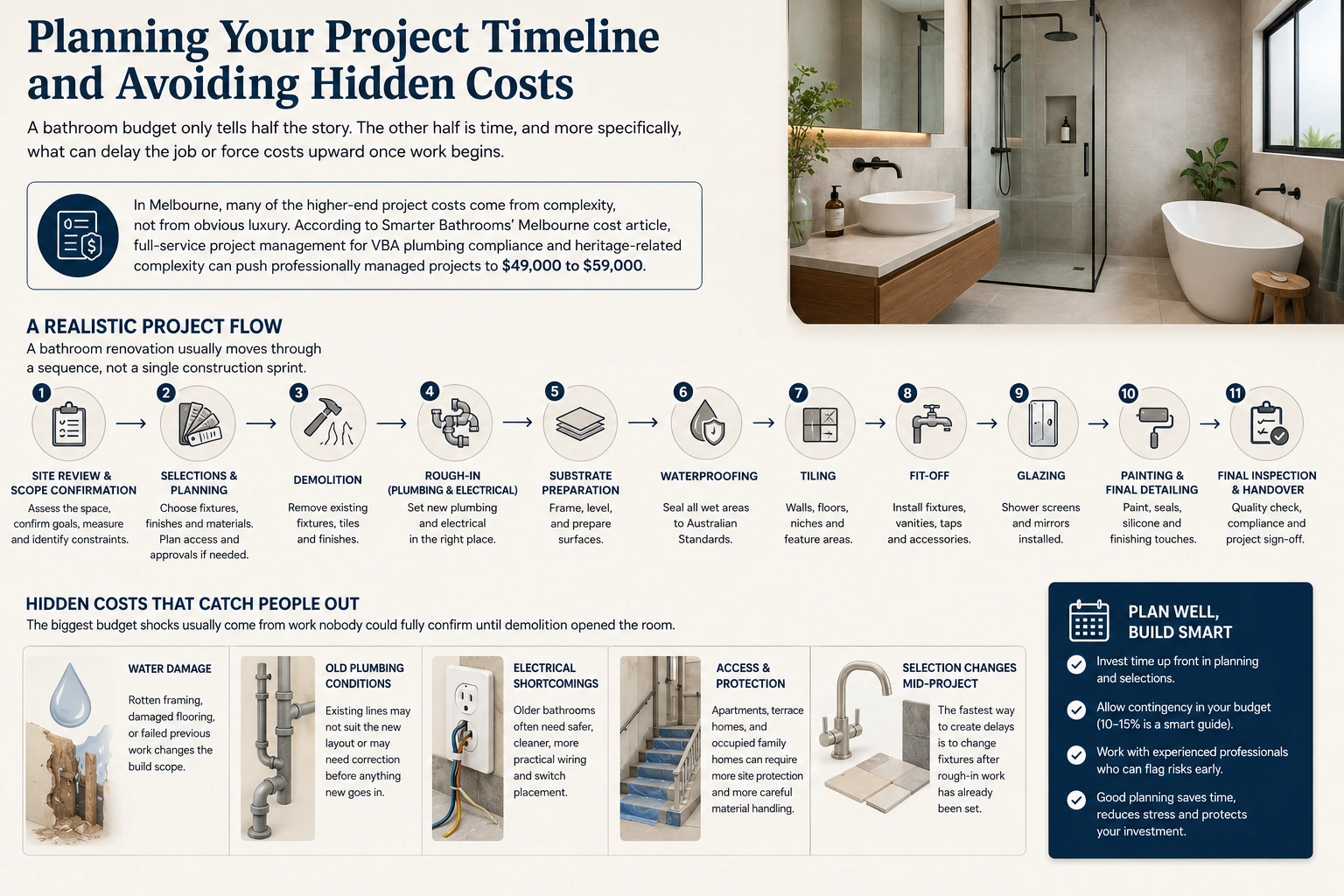
A bathroom budget only tells half the story. The other half is time, and more specifically, what can delay the job or force costs upward once work begins.
In Melbourne, many of the higher-end project costs come from complexity, not from obvious luxury. According to Smarter Bathrooms' Melbourne cost article, full-service project management for VBA plumbing compliance and heritage-related complexity can push professionally managed projects to $49,000 to $59,000.
A realistic project flow
A bathroom renovation usually moves through a sequence, not a single construction sprint.
First comes site review, scope confirmation, selections, and any planning needed around access or approvals. Then demolition begins, followed by rough-in work, substrate preparation, waterproofing, tiling, fit-off, glazing, painting, and final detailing.
If you'd like a fuller breakdown of the stages, this guide on how long a bathroom remodel takes gives a clear view of the process homeowners should expect before work starts.
Hidden costs that catch people out
The biggest budget shocks usually come from work nobody could fully confirm until demolition opened the room.
- Water damage: Rotten framing, damaged flooring, or failed previous work changes the build scope.
- Old plumbing conditions: Existing lines may not suit the new layout or may need correction before anything new goes in.
- Electrical shortcomings: Older bathrooms often need safer, cleaner, more practical wiring and switch placement.
- Access and protection: Apartments, terrace homes, and occupied family homes can require more site protection and more careful material handling.
- Selection changes mid-project: The fastest way to create delays is to change fixtures after rough-in work has already been set.
Why pre-planning saves money
The more decisions made before demolition, the steadier the budget usually stays.
That means selecting tapware, vanity size, tile format, mirror style, and shower screen type early. It also means being honest about the home. If the property is older, assume there may be hidden repair work and budget with that in mind instead of acting surprised later.
For owners reviewing the bigger household impact of renovation or claims planning, a broker's guide to home insurance savings can also help frame what to check before work starts.
Good planning doesn't remove every surprise. It removes the avoidable ones.
Smart Ways to Manage Your Bathroom Renovation Budget
The best way to control bathroom renovation costs melbourne isn't to slash quality. It's to spend in the places that protect the job and trim the parts that don't add enough practical value.
Keep the layout when it still works
This is usually the smartest saving available.
Moving toilets, showers, and major plumbing points creates a chain reaction through demolition, rough-in, substrate prep, waterproofing, and fit-off. If the current layout is functional, keeping those service locations stable usually gives you a better result for the same spend.
Choose durable materials, not just expensive ones
Expensive doesn't always mean better in a bathroom.
Porcelain is often the more sensible choice over delicate natural finishes in family bathrooms and investment properties. A well-chosen laminate vanity can also outperform a more expensive option if the room gets hard daily use and the edges, joins, and installation are handled properly.
Spend on the work you won't want to redo
Some savings are false economy.
- Waterproofing: If this fails, the fix is painful and disruptive.
- Preparation: Flat walls, sound substrate and correct falls affect every finish that follows.
- Ventilation and lighting: These shape how the room lives, not just how it photographs.
The room should still work well in winter, after busy mornings, and years into use. That's the test.
Avoid fragmented trade management if you want cost certainty
Managing separate trades yourself can look cheaper on paper. It often becomes expensive in practice if one delay affects everyone else or if responsibility gets blurred.
One option homeowners consider is an end-to-end renovator such as Smarter Home Renovations, where selections, sequencing, and delivery are coordinated together rather than split across multiple contractors. That model won't suit every job, but it can reduce rework risk and make pricing easier to follow.
Make a few high-impact choices
If the budget is firm, prioritise the items that change the feel of the room most.
- A better vanity: Strong visual impact and practical storage.
- A cleaner shower screen: Makes the room feel larger and brighter.
- Good lighting at the mirror: Improves function every day.
- Consistent tapware finish: Pulls the room together without needing luxury pricing everywhere.
The common mistake is spreading the budget too thinly across too many upgrades. A tighter palette and fewer, better decisions usually produce a more polished bathroom.
How Smarter Home Renovations Ensures On-Budget Success
Homeowners don't usually lose money on bathrooms because they chose the wrong mirror. They lose money because scope wasn't clear, site conditions weren't considered properly, or too many moving parts were left unmanaged.
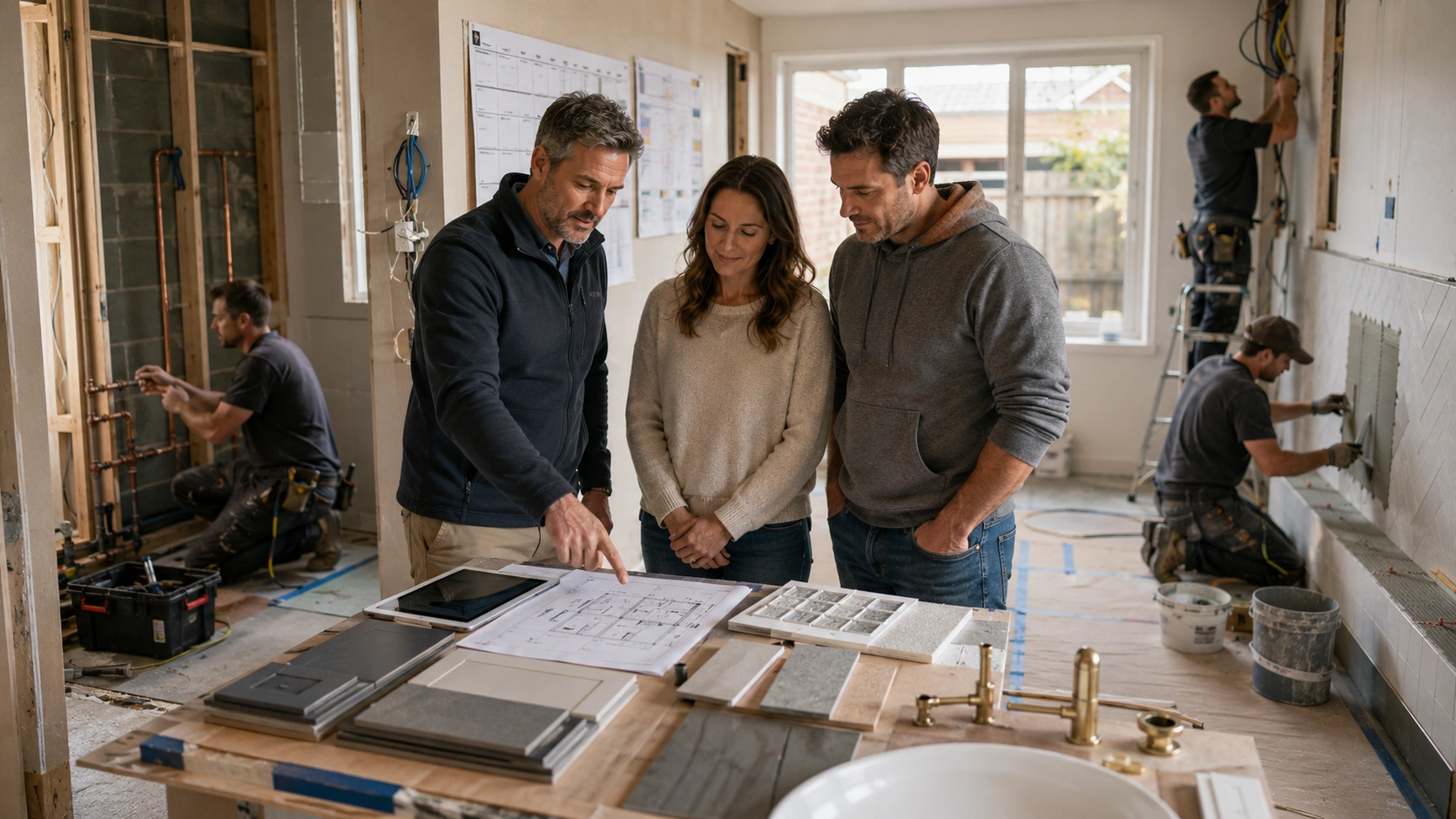
That's why the process matters as much as the selections.
A well-run renovation starts with a realistic site assessment. The builder needs to look at access, the age of the home, likely service issues, structural condition, and the level of finish you're aiming for. If that first step is rushed, the quote is often only half a quote.
What keeps a project controlled
A disciplined renovation process usually includes:
- Clear scope from the start: Everyone knows what is included and what isn't.
- Selections made early: Fewer changes once demolition begins.
- Trade coordination under one plan: Plumbing, electrical, waterproofing, tiling and fit-off follow the right sequence.
- Allowance for site realities: Older Melbourne homes need practical foresight, not optimism.
- Communication during the build: Owners should know what is happening and why.
When this is handled properly, you're less likely to face the usual problems. Trades turning up out of order. Fixtures that don't suit the rough-in. Tiles chosen before anyone checks wall condition. Wet area work rushed to keep up appearances.
Why professional management is worth paying for
Professional management isn't just an admin layer. It protects the build.
Bathrooms are compact spaces with almost no room for trade conflict. If the plumber, waterproofer, tiler, electrician and glazier aren't working to the same plan, errors show up quickly and fixing them is rarely cheap.
For Melbourne homeowners, especially in period homes or full redesign projects, the value is in reducing uncertainty. A bathroom should be quoted accurately, built in the correct order, and delivered with the same attention on the hidden work as the visible finish.
Frequently Asked Questions About Melbourne Bathroom Renovations
Is the national average useful for a Melbourne project
It's useful as a broad reference point, but it doesn't tell you enough about local conditions. Melbourne bathrooms often involve older homes, tighter compliance requirements, and more labour-heavy preparation than a generic average suggests.
What makes one quote much cheaper than another
Usually one of three things is happening. The scope is different, the allowances are lighter, or the hidden work hasn't been properly considered. Cheap quotes can look attractive until variations start.
Is it cheaper to renovate without moving plumbing
In many cases, yes. Keeping the existing layout often reduces disruption and simplifies the build. It's one of the clearest ways to control costs without lowering the quality of the finished room.
Should I choose premium finishes in a family bathroom
Only where they add practical value. In busy bathrooms, durability and easy maintenance matter more than chasing every high-end inclusion. A balanced specification usually performs better over time.
When is full project management worth it
It's worth it when the bathroom has complexity. Older homes, layout changes, apartment access, higher-end finishes, and tight timelines all benefit from proper coordination. That's usually where unmanaged work becomes expensive.
What's the best first step before asking for quotes
Be clear about your priorities. Decide what must change, what can stay, and what finish level you want. A realistic brief gets you a more useful quote and a more honest conversation.
If you're planning a bathroom and want straight advice on scope, layout, and likely cost, talk to Smarter Home Renovations. Tony and the team handle bathroom projects across Melbourne with practical planning, transparent quoting, and end-to-end coordination that helps homeowners avoid the usual budget surprises.
Do You Need A Quote
No matter what project you need to complete, our team of professionals at Smarter Home Renovations has the right solution for you.
To find out more about our quality home, kitchen, bathroom and laundry renovations in Melbourne, call Tony on 0418 802 802 today. Or go to our contact page and complete the form its that easy.
Some Handy Links