Discover the top kitchen splashback ideas Australia has to offer. From tiles to timber, find the perfect material for your kitchen renovation
The humble kitchen splashback has evolved from a purely functional element to a design centrepiece, acting as the visual bridge between your benchtop and cabinetry. It sets the tone for your entire kitchen, and choosing the right one is crucial, especially within the diverse landscape of Australian home design, where coastal breezes, urban minimalism, and heritage charm demand different aesthetic and practical approaches.
This comprehensive guide moves beyond the surface to explore a curated selection of kitchen splashback ideas Australia-wide, detailing the materials, costs, and styles that are most effective for local homes. We will cover everything from the timeless appeal of subway tiles and the reflective elegance of glass to the bold statement of terrazzo and the rustic warmth of timber.
Our goal is to provide practical, actionable advice to help you make an informed, stylish, and durable choice for your renovation. By understanding the specific pros, cons, maintenance requirements, and ideal design pairings for each option, you can select a splashback that is not only beautiful but perfectly suited to your home and lifestyle.
We'll examine installation considerations and how different materials stand up to the demands of a modern Australian kitchen, ensuring your final decision is both beautiful and built to last.
1. Subway Tile Splashback
A true design chameleon, the subway tile splashback remains one of the most enduring and popular kitchen splashback ideas in Australia. Its classic rectangular shape, typically laid in a horizontal brick bond pattern, offers a clean, organised aesthetic that feels both timeless and fresh. While crisp white is the traditional choice, modern variations now include a vast spectrum of colours, finishes (from gloss to matte), and even bevelled edges for added texture.

This versatility makes it a perfect fit for diverse Australian homes, from modern inner-city apartments in Sydney to heritage-style renovations in Melbourne. Its affordability and widespread availability through major suppliers like IKEA and local tile shops also contribute to its immense popularity.
Key Considerations & Tips
- Grout is Crucial: The choice of grout dramatically alters the final look. A contrasting dark grey or black grout with white tiles creates a bold, graphic statement, while a matching white grout offers a more seamless, subtle finish.
- Maintenance Matters: To keep grout lines looking pristine and prevent staining, especially behind the cooktop, opt for a high-quality epoxy grout. Sealing standard cement-based grout annually is also essential for longevity.
- Creative Layouts: While the standard brick pattern is classic, consider alternative layouts like a vertical stack for a more contemporary feel or a herringbone pattern to create a sophisticated feature wall.
- Material Pairings: Subway tiles pair beautifully with almost any benchtop material, from engineered stone and laminate to natural timber and stainless steel, making them an incredibly safe and stylish choice for any kitchen design.
2. Mosaic Tile Splashback
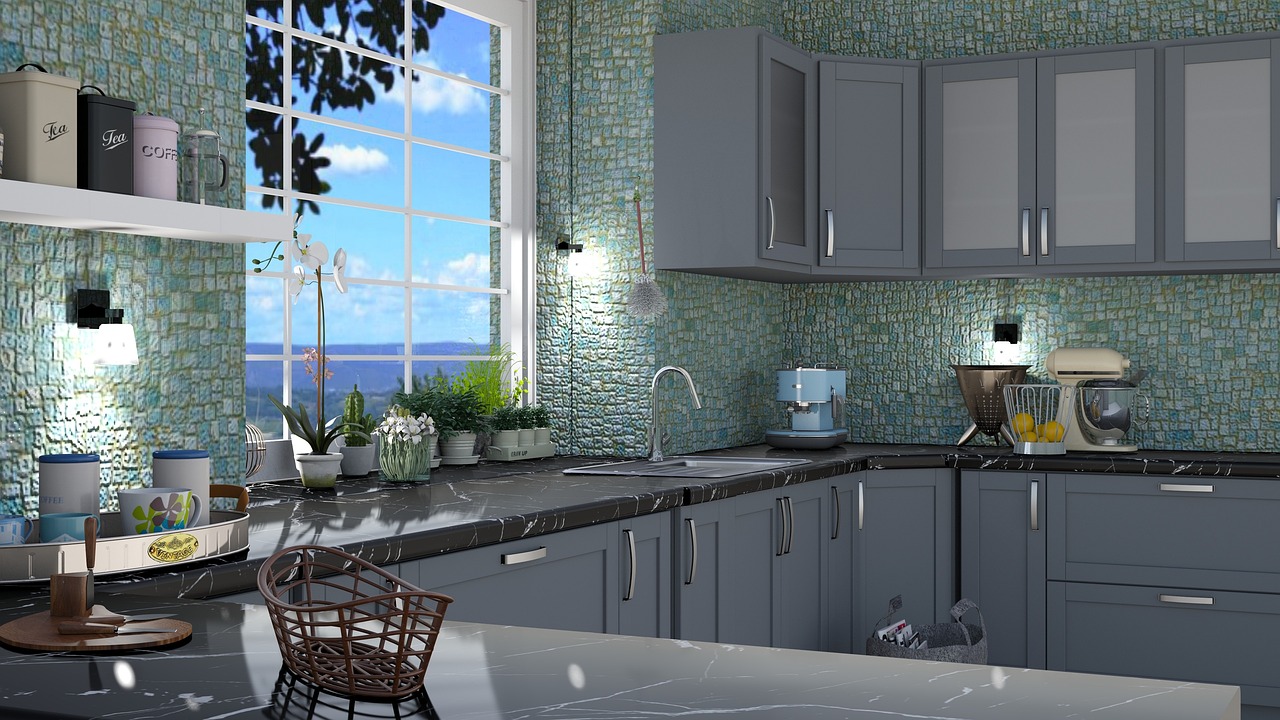
For those wanting to inject personality and artistic flair into their kitchen, a mosaic tile splashback is an exceptional choice. Comprised of small, often decorative tiles arranged in intricate patterns, mosaics transform the splashback from a purely functional surface into a captivating focal point.
Their versatility allows for endless creativity, from subtle, single-colour patterns to bold, multi-textured designs that tell a story.
This style is particularly effective in Australian homes with eclectic, bohemian, or Mediterranean-inspired aesthetics, often seen in heritage kitchen updates in Sydney’s Paddington or character-filled renovations in Brisbane. Mosaics offer a unique opportunity to introduce colour and texture, creating a truly bespoke kitchen design.
Many of the same principles for choosing mosaics can also be applied to bathrooms; you can explore a wide range of bathroom tile ideas on Smarter Home Renovations for further inspiration.
Key Considerations & Tips
- Start with Sheets: To simplify what can be a complex installation, opt for pre-mounted mosaic sheets. These sheets ensure consistent spacing and alignment, making the process faster and more manageable for both DIYers and professionals.
- Strategic Placement: A full wall of intricate mosaic can be overwhelming and costly. Consider using them in a concentrated area, such as a feature panel behind the cooktop, and complementing it with a simpler tile for the remaining splashback.
- Grout is Key: With many more grout lines than larger tiles, the colour choice is vital. A complementary grout colour will unify the design, while a contrasting one will make the individual tile shapes pop. Always use a high-quality mould-resistant grout.
- Cabinetry Harmony: Ensure your mosaic pattern and colour palette harmonise with your cabinetry and benchtops. If you have bold cabinets, a more neutral or monochromatic mosaic may be best, while a vibrant mosaic can bring life to a simple white kitchen.
3. Timber/Wood Splashback
A timber splashback introduces unparalleled warmth and natural texture, creating a welcoming, biophilic heart in the home. A growing favourite among kitchen splashback ideas in Australia, it excels in coastal, farmhouse, and Scandinavian-inspired designs. Rather than using raw wood, engineered timber panels or solid wood cladding are treated with robust, waterproof finishes to withstand the demands of a kitchen environment, offering a beautiful and tactile alternative to conventional tiles or glass.

This style is particularly effective in designs that aim to connect indoor and outdoor spaces, seen in luxury Byron Bay coastal homes or contemporary rural properties outside Perth. The natural grain of the wood provides a unique, organic pattern that ensures no two splashbacks are ever exactly alike, adding a bespoke quality to the kitchen.
Key Considerations & Tips
- Seal for Success: Protection is paramount. The timber must be meticulously sealed with a high-quality, marine-grade polyurethane or specialised waterproof oil. This finish creates an impenetrable barrier against water, grease, and food splatters.
- Choose Wisely: Opt for hardwoods known for their durability and water resistance. Australian species like Blackbutt, Spotted Gum, or Victorian Ash are excellent choices. Ensure the timber is properly seasoned to prevent warping over time.
- Regular Upkeep: To maintain its lustre and protective qualities, the sealant may need to be reapplied every one to two years, depending on wear and tear, especially in the high-use areas behind the sink and cooktop.
- Complementary Pairings: The warmth of timber contrasts beautifully with the cool, sleek finish of stainless steel appliances, concrete benchtops, or minimalist white cabinetry. This balance prevents the kitchen from feeling overly rustic and keeps the look modern and refined.
4. Stainless Steel Splashback
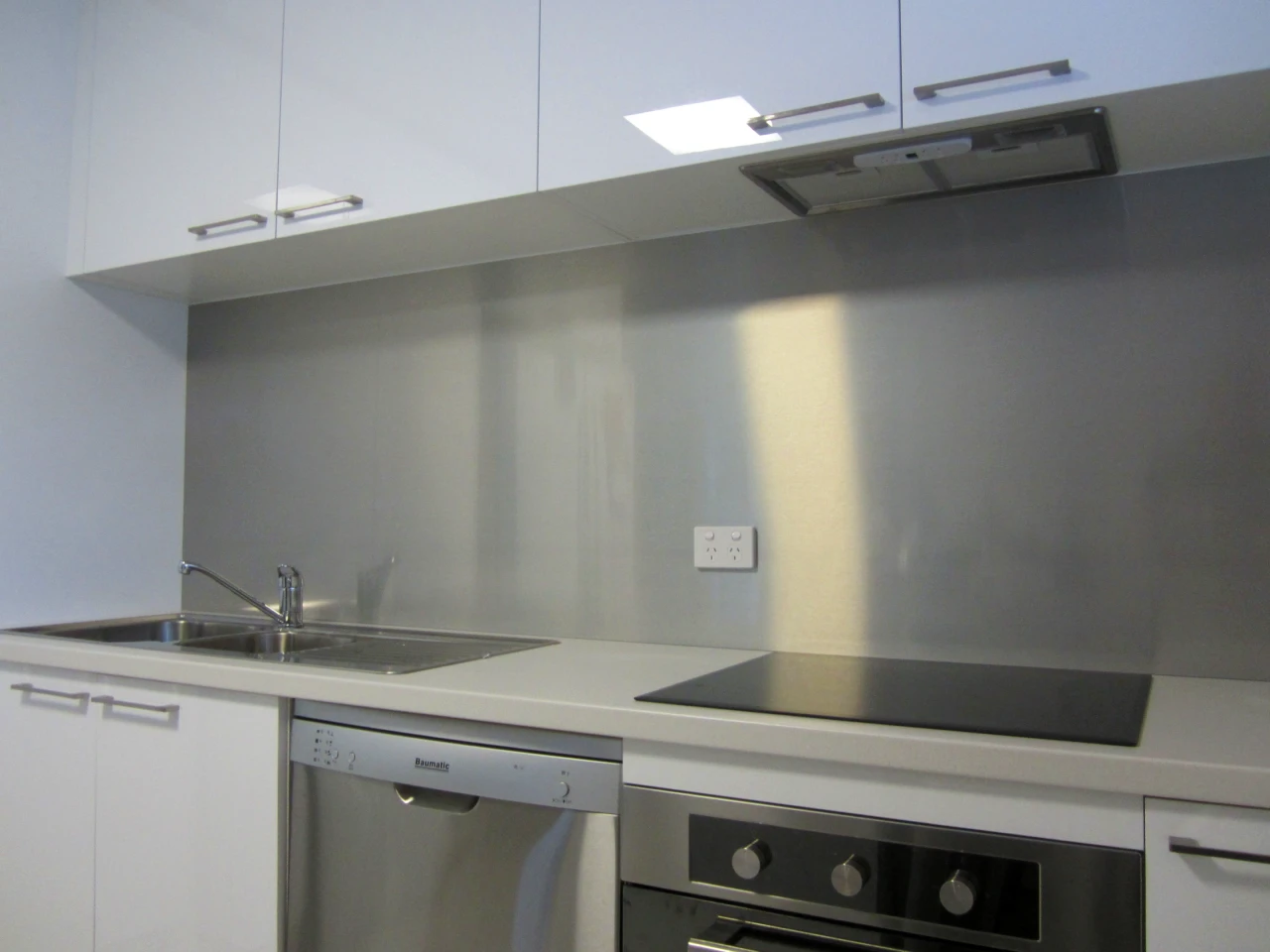
For a sleek, contemporary, and incredibly functional look, the stainless steel splashback brings a touch of professional-grade style to the home kitchen. Often associated with commercial kitchens for its hygienic and durable properties, this option provides a seamless, metallic surface that is both tough and easy to clean. Its reflective qualities can also make a space feel brighter and larger, a significant advantage in smaller kitchens.
This industrial-chic aesthetic is perfectly suited to modern Australian homes, from minimalist inner-city apartments in Sydney to high-end architectural builds in Brisbane. It creates a striking, streamlined look, especially when paired with matching stainless steel appliances, making it a popular choice for a cohesive and modern design statement.
Key Considerations & Tips
- Finish is Everything: A brushed stainless steel finish is highly recommended over a polished one. The fine lines of the brushed texture are excellent at disguising fingerprints, smudges, and minor scratches, keeping the surface looking cleaner for longer.
- Cleaning Made Simple: Avoid abrasive cleaners or scourers. The best way to clean stainless steel is with warm water, a mild detergent, and a soft microfibre cloth, wiping in the direction of the grain to prevent streaks and maintain its lustre.
- Soften the Look: To prevent a kitchen from feeling too clinical or cold, pair a stainless steel splashback with warmer materials. Timber cabinetry, a natural stone benchtop, or colourful accessories can create a beautiful and balanced contrast.
- Professional Installation is Key: Achieving a perfectly seamless and flush finish is crucial for the high-end look of a stainless steel splashback. Professional measurement and installation will ensure there are no unsightly gaps or uneven edges, particularly around power points.
5. Terrazzo Splashback
A luxurious and statement-making option, the terrazzo splashback has seen a major resurgence in high-end Australian kitchens. This composite material, made from chips of marble, quartz, granite, or glass set into a cement or resin binder, offers a unique, speckled pattern that is both playful and sophisticated. It provides a seamless, grout-free surface that combines the durability of stone with endless customisation possibilities in colour and aggregate.

Terrazzo is a perfect choice for creating a standout feature in contemporary homes, often seen in luxury Sydney apartment renovations and designer Melbourne kitchens. Its ability to be poured in situ or installed as large-format panels makes it a versatile, premium selection for those wanting a truly bespoke finish among the many kitchen splashback ideas Australia has to offer.
Key Considerations & Tips
- Complementary Palette: Select a terrazzo with aggregate colours that pick up tones from your cabinetry or benchtops. This creates a cohesive and professionally designed look without overwhelming the space.
- Let It Shine: Terrazzo is a hero feature. Pair it with minimalist, flat-panel cabinetry in a solid, neutral colour to allow the intricate pattern of the splashback to take centre stage.
- Sealing is Essential: To protect against stains from cooking oils and spills, ensure your terrazzo is professionally sealed upon installation and resealed periodically as recommended by the supplier, typically annually.
- Minimise Seams: Opt for large-format slabs or panels rather than smaller tiles. This reduces the number of visible joins, resulting in a cleaner, more continuous, and high-end aesthetic that highlights the material's unique pattern.
6. Painted or Feature Wall Splashback
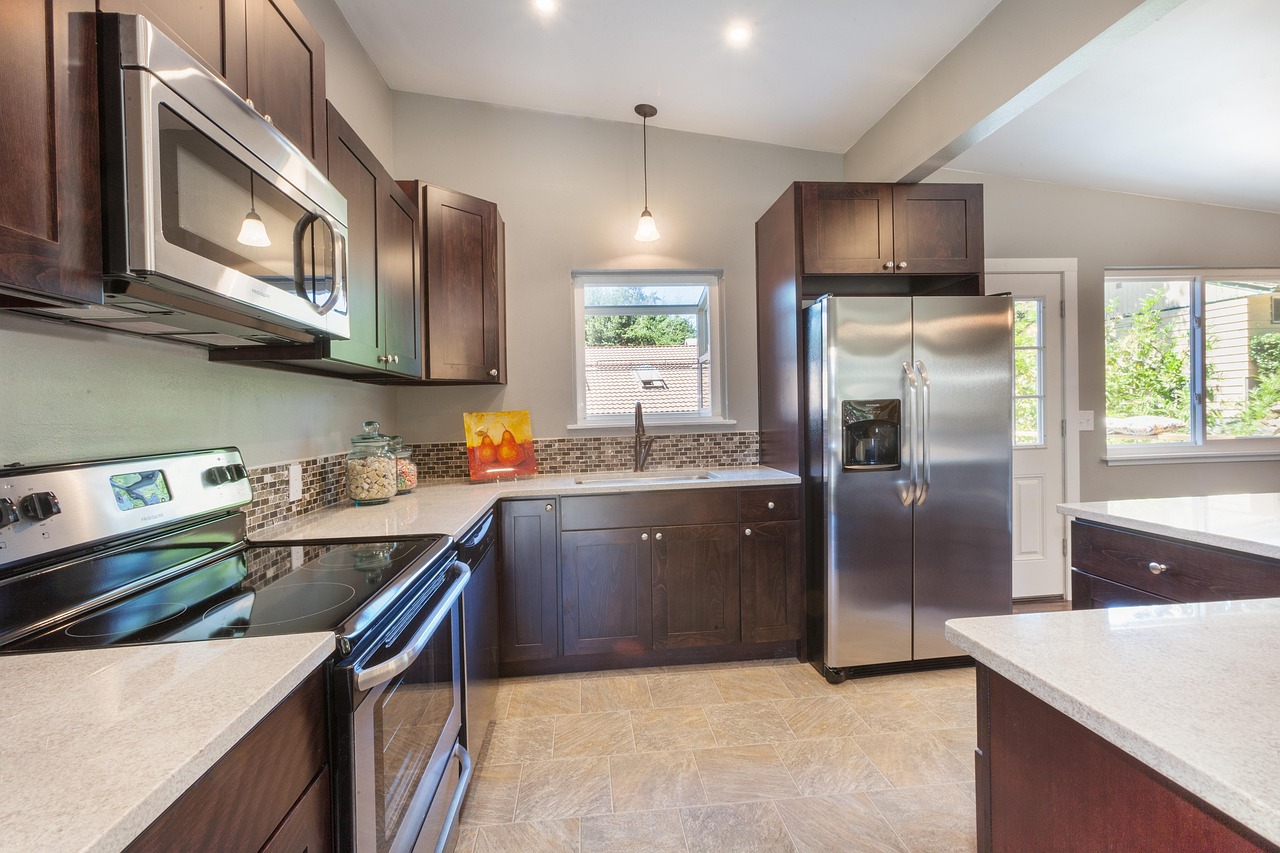
For a truly bespoke and budget-friendly solution, a painted feature wall stands out as one of the most customisable kitchen splashback ideas in Australia. This approach treats the wall itself as the splashback, using high-quality, durable paint or even creative murals and wallpaper sealed behind a protective layer. It offers complete creative freedom, allowing homeowners to introduce a bold block of colour, a custom geometric pattern, or an intricate design that perfectly matches their decor.
Popularised by DIY home renovation trends and clever interior stylists, this idea is seen across the country, from Brisbane kitchens featuring dramatic forest green walls to Sydney apartments with unique, artistic murals. When executed correctly, it transforms the kitchen splashback from a purely functional element into a stunning focal point. It's an excellent choice for those wanting to make a significant visual impact without the cost of traditional materials.
Key Considerations & Tips
- Choose the Right Paint: Always opt for a specialised kitchen or bathroom paint with mould and moisture-resistant properties. A semi-gloss or gloss finish is highly recommended as it creates a less porous surface that is far easier to wipe clean than a matte finish.
- Sealing is Non-Negotiable: To protect against heat, grease, and water splashes, the painted surface must be sealed. Apply several coats of a clear, non-yellowing polyurethane or a durable acrylic varnish for maximum protection and longevity.
- Wallpaper and Murals: If using wallpaper or a mural, it's safest to install a sheet of clear toughened glass or acrylic over the top. This protects the delicate paper from heat and moisture while allowing the design to shine through.
- Maintenance & Upkeep: While durable, a painted splashback may require a fresh coat of paint or sealant every few years to maintain its pristine look, especially in high-use areas behind the sink and cooktop.
7. Glass or Mirrored Splashback
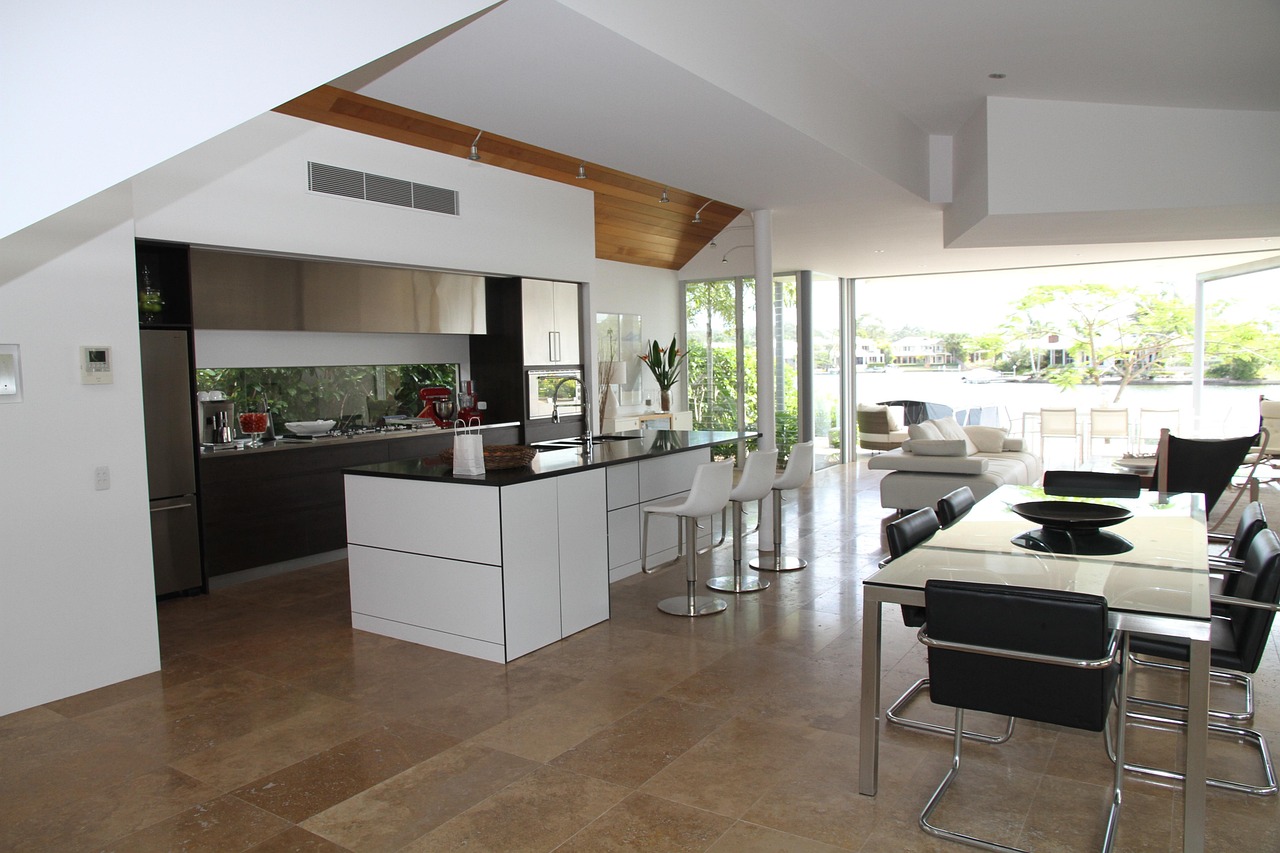
For a sleek, contemporary, and seamless finish, glass and mirrored splashbacks are an outstanding choice. This kitchen splashback idea, particularly popular in Australia's modern city apartments and coastal homes, involves installing a single, custom-cut panel of toughened safety glass behind the benchtops. The result is a grout-free surface that reflects light beautifully, creating an illusion of greater depth and space.
The versatility is exceptional; options range from crystal-clear glass that shows the wall colour behind it, to frosted finishes for a softer look, tinted glass for a subtle hint of colour, or a full mirror to maximise light. This adaptability makes it perfect for minimalist designs in Sydney apartments or for brightening up kitchens in Brisbane homes to capture ocean views.
Key Considerations & Tips
- Reflect and Enhance: A mirrored splashback is a powerful tool in smaller or darker kitchens. Position it opposite a window or a key light source to double the natural light and create a much brighter, more open atmosphere.
- Cleaning is Simple: The absence of grout lines makes glass incredibly hygienic and easy to clean. A simple wipe with a microfibre cloth and a vinegar-water solution is usually all that’s needed to remove cooking splatters and keep it streak-free.
- Professional Installation is a Must: Glass splashbacks are made from toughened safety glass and require precise measurements and cut-outs for power points. This is a job best left to professional glaziers to ensure a perfect fit and compliance with Australian safety standards.
- Colour and Finish: Don't just think clear or mirrored. A back-painted glass splashback (where the back of the glass is painted) offers a durable and high-gloss block of colour that can be matched to any paint swatch, providing endless design possibilities.
8. Stone Splashback (Natural Slate, Marble, or Granite)
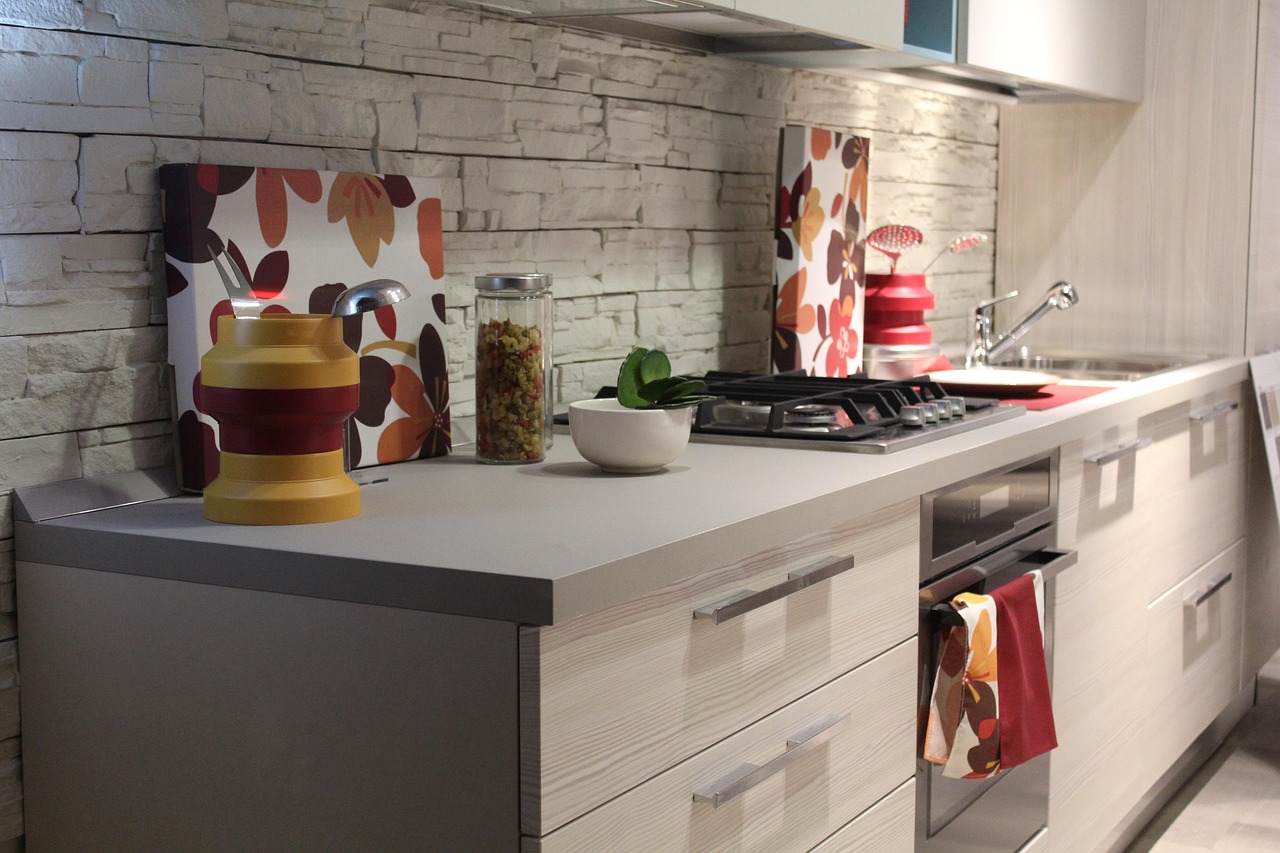
For an undeniable touch of luxury and sophistication, a natural stone splashback is unparalleled. Using a single slab of marble, granite, or slate creates a seamless, high-end feature that transforms the kitchen into a showpiece.
Each piece of stone is entirely unique, with its own distinct veining, patterns, and colours, ensuring a one-of-a-kind finish that feels both organic and opulent.
This choice is particularly popular in premium Australian homes, from Sydney harbour-front properties showcasing dramatic marble veins to grand Melbourne mansions featuring moody, textured slate.
While it represents a significant investment, the visual impact and timeless appeal of a stone splashback are hard to match, adding significant value and character to the home. If you're specifically considering granite, you might find inspiration from these 7 perfect backsplash ideas for kitchens with granite.
Key Considerations & Tips
- Seal, Seal, Seal: Natural stone is porous and susceptible to staining. It is absolutely crucial to have it professionally sealed immediately after installation and then resealed every 12-18 months to protect its surface.
- Wipe Spills Immediately: Acidic substances like lemon juice, vinegar, or wine can etch the surface of stones like marble. Clean up spills as soon as they happen with a soft cloth and a pH-neutral cleaner.
- Durability Varies: Granite is one of the hardest and most durable options, making it excellent for high-traffic kitchens. Marble is softer and more prone to scratching and etching, while slate offers a unique, rustic texture but can chip.
- Budget Accordingly: As a premium material, the cost of a natural stone splashback is high, not just for the material itself but also for the specialised fabrication and installation required. Understanding the kitchen renovation cost in Melbourne can help you budget for this luxury feature.
9. Patterned or Encaustic Cement Tile Splashback
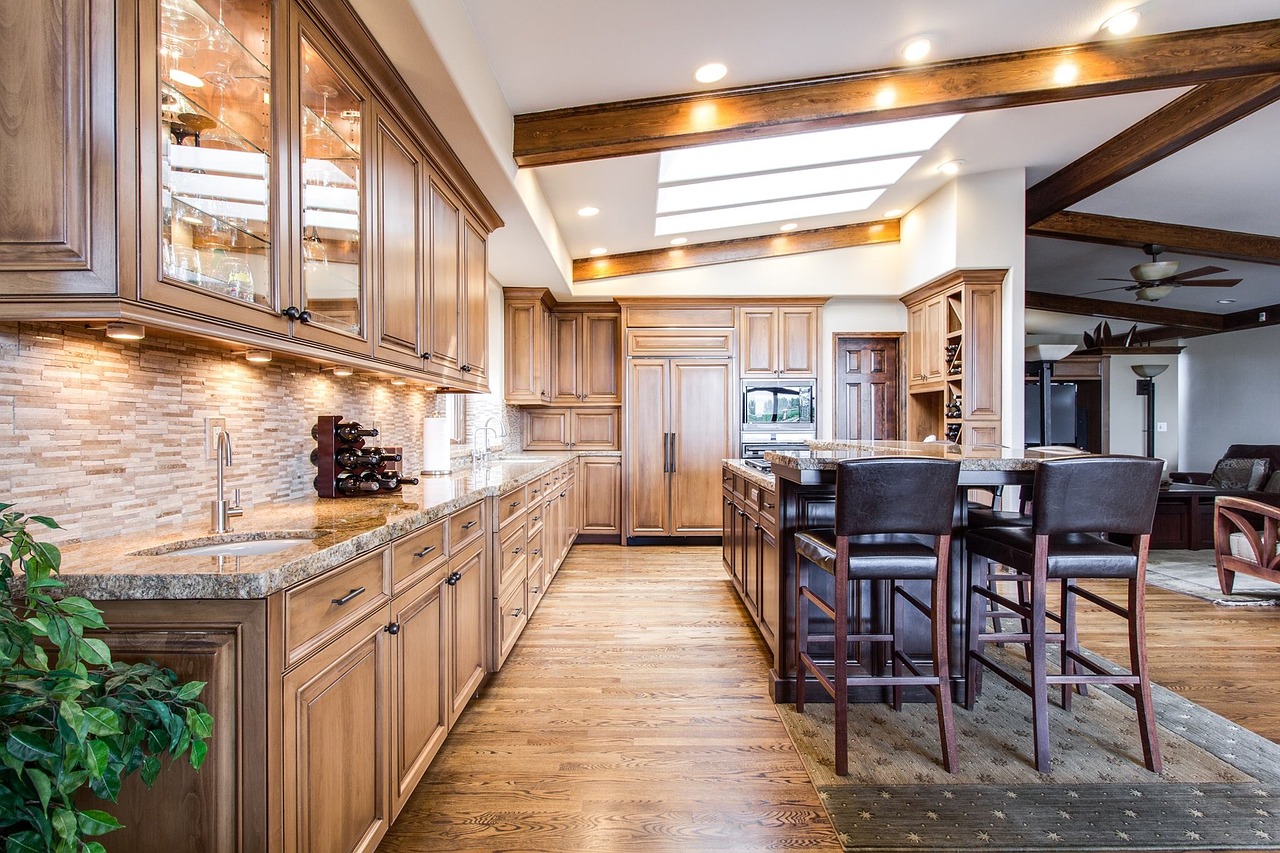
For those wanting to inject personality and handcrafted character into their kitchen, a patterned or encaustic cement tile splashback is a superb choice. These tiles, known for their intricate geometric, floral, or abstract designs, offer an artistic and soulful alternative to mass-produced options. Each tile often has slight variations due to the hand-painting or pigmenting process, creating a unique, bespoke finish that celebrates imperfection.
This style has become a favourite in Australian homes embracing bohemian, eclectic, and Mediterranean aesthetics, from vibrant Byron Bay renovations to artisan-influenced kitchens in Melbourne's inner suburbs.
As one of the more decorative kitchen splashback ideas Australia has adopted, it allows homeowners to create a stunning visual focal point that is both practical and deeply personal.
Key Considerations & Tips
- Seal, Seal, Seal: Cement tiles are porous and must be properly sealed before and after grouting to protect them from stains and moisture. A high-quality, non-toxic penetrating sealer is essential for this.
- Ongoing Maintenance: Due to their porous nature, these tiles require more upkeep. Plan to reseal them every 6-12 months, especially in high-use areas behind sinks and cooktops, to maintain their vibrant look.
- Let the Pattern Shine: Use a neutral-coloured grout, like a light grey or off-white, that doesn't compete with the intricate pattern of the tiles. This ensures the design remains the hero of the splashback.
- Accentuate, Don't Overwhelm: If a full wall of pattern feels too bold, consider using these tiles as a feature strip above the cooktop or as an accent row. This provides a pop of colour and design without overwhelming the space.
10. Recycled or Reclaimed Material Splashback
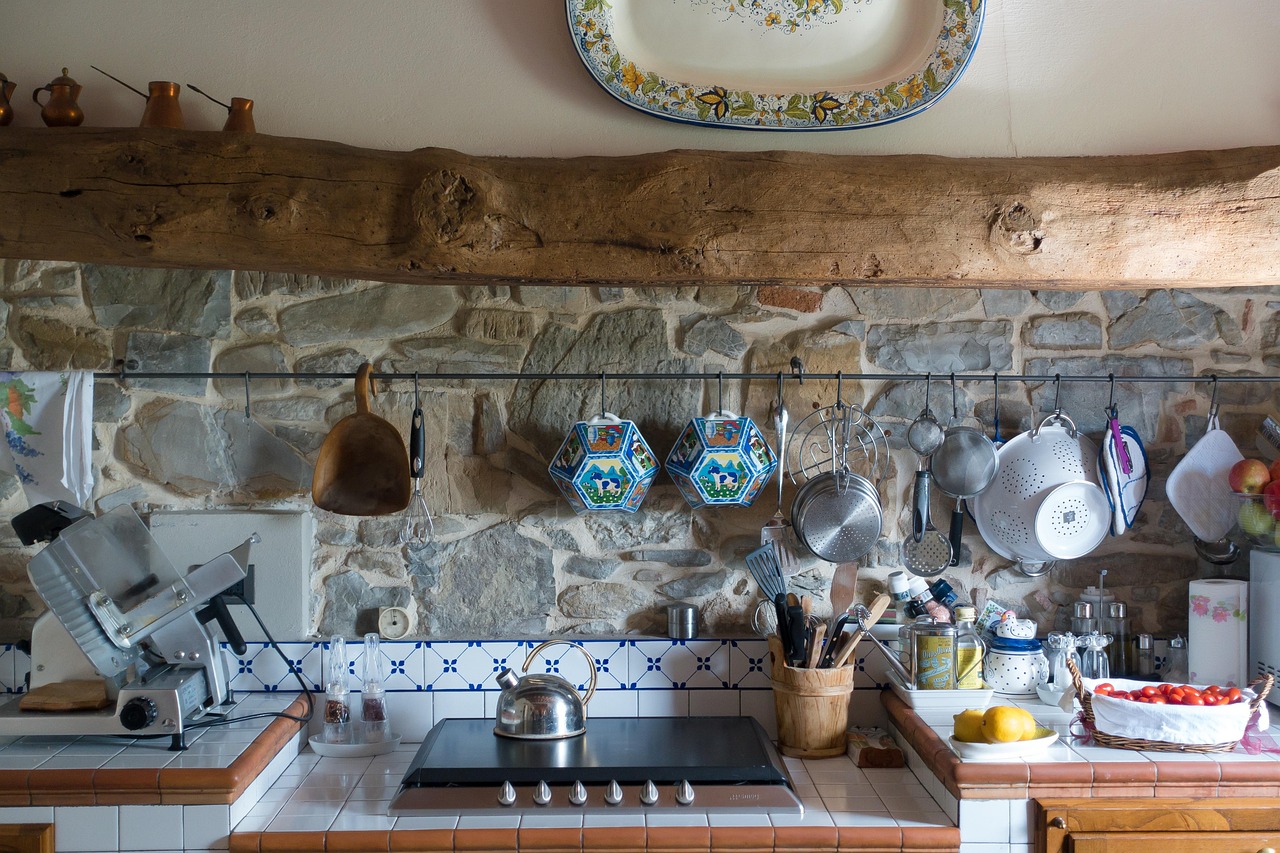
Reflecting Australia’s growing commitment to sustainability, a recycled or reclaimed material splashback brings unique character and an eco-conscious ethos to the heart of the home. This approach transforms materials like recycled glass, reclaimed timber, or even salvaged bricks into a stunning feature wall. It's a design choice that tells a story, offering a distinctive, textured aesthetic that new materials simply cannot replicate.
This trend is particularly prominent in eco-aware renovations, from inner-city Sydney apartments using recycled glass mosaics to heritage homes in Melbourne featuring reclaimed brick slips.
By diverting waste from landfill, these splashbacks not only look good but also contribute to the circular economy, making them one of the most thoughtful kitchen splashback ideas Australia has embraced.
Key Considerations & Tips
- Seal for Success: Reclaimed materials, especially porous ones like timber and brick, must be properly sealed to protect them from water, grease, and stains. Use a high-quality, food-safe sealant and reapply as recommended by the manufacturer.
- Sourcing and Authenticity: Source materials from reputable local salvage yards or specialised suppliers. Ask about the material's origin story, as this adds to its unique charm and ensures its authenticity.
- Professional Installation: Due to variations in size, thickness, and texture, reclaimed materials often require a skilled professional for installation to ensure a level and secure finish.
- Pair with Modern Elements: The rustic, textured nature of reclaimed materials pairs beautifully with sleek, modern cabinetry and benchtops. This contrast creates a balanced design that feels both warm and contemporary, a popular choice for affordable kitchen renovations in Melbourne.
Top 10 Kitchen Splashback Ideas in Australia, Comparison
| Option | Implementation complexity | Ideal use cases | Key advantages |
|---|---|---|---|
| Subway Tile Splashback | Low, straightforward tiling, DIY possible | Budget to mid-range kitchens, rentals, classic or modern styles | Affordable, versatile, widely available, easy to repair |
| Mosaic Tile Splashback | High, intricate layout, many small pieces | Eclectic, bohemian or Mediterranean-inspired kitchens, accents | Highly customisable, artistic, hides wall imperfections |
| Timber/Wood Splashback | Medium–High, precise joinery, sealing required | Coastal, farmhouse, Scandinavian and luxury kitchens | Natural warmth, acoustic benefits, bespoke finishes |
| Stainless Steel Splashback | Medium, requires professional templating and fitting | Modern minimalist kitchens, commercial or chef-style spaces | Durable, heat/moisture resistant, easy to clean, no grout |
| Terrazzo Splashback | High, specialist fabrication and heavy installation | High-end renovations, designer kitchens, feature walls | Highly customisable, durable, distinctive luxe aesthetic |
| Painted or Feature Wall Splashback | Low, quick painting or wallpaper installation | Budget renovations, rentals, quick style refreshes | Most affordable, endless design options, easy to update |
| Glass or Mirrored Splashback | Medium, professional templating and install required | Contemporary apartments, small kitchens, minimalist schemes | No grout, easy to clean, enhances light and space |
| Stone Splashback (Marble/Granite/Slate) | High, heavy slabs, precise professional instal | Upscale homes, period restorations, luxury kitchens | Timeless luxury, durable, increases property value |
| Patterned / Encaustic Cement Tile | Medium, careful layout, sealing and grout work | Bohemian, eclectic, Mediterranean-inspired kitchens | Unique artisan character, affordable luxury, local sourcing |
| Recycled / Reclaimed Material Splashback | Medium–High, variable materials need tailored install | Eco-conscious designs, rustic or industrial kitchens | Environmentally sustainable, unique, supports circular economy |
Bringing Your Vision to Life with an Expert Hand
Choosing the perfect splashback is a defining moment in your kitchen renovation journey. As we've explored, the sheer variety of kitchen splashback ideas Australia has to offer is immense, ranging from the timeless appeal of subway tiles and the organic warmth of timber, to the sleek modernity of glass and the bold statement of terrazzo.
Each material brings its own unique character, maintenance profile, and cost implications, allowing you to tailor your choice perfectly to your home's aesthetic, whether it's a heritage-listed Melbourne terrace or a contemporary coastal retreat.
The key takeaway is that your splashback is far more than just a protective surface; it's a powerful design tool. It’s the element that ties your cabinetry and benchtops together, introduces colour and texture, and ultimately sets the tone for the entire space.
By carefully considering the interplay between materials-like pairing a richly veined marble with minimalist white cabinets or using vibrant mosaic tiles to energise a neutral palette-you can create a kitchen that is both cohesive and deeply personal.
From Inspiration to Installation: The Final Step
Translating your chosen idea from a mood board into a beautifully finished reality requires precision and expertise. While a DIY approach might seem cost-effective for simpler options like a painted feature wall, materials like natural stone, mirrored glass, and intricate tile patterns demand a professional touch.
An expert installer not only ensures a flawless finish but also guarantees compliance with Australian building codes, particularly regarding fire safety regulations for splashbacks behind cooktops.
Engaging a qualified professional eliminates the risks of improper sealing, which can lead to moisture damage, or uneven cuts that detract from the final look. To ensure you're partnering with the right team for your project, it’s crucial to be prepared.
Knowing the essential questions to ask contractors and trades before they begin work will give you clarity on timelines and costs. This will also ensure a smooth and successful installation.
This final step is what secures your investment, ensuring your stunning new splashback remains a durable and cherished feature of your kitchen for many years to come.
Ultimately, professional installation transforms a great idea into an exceptional outcome.
Ready to bring your kitchen vision to life with a flawless splashback installation? The experienced team at Smarter Home Renovations has been helping Melbourne homeowners create beautiful, functional kitchens for over two decades.
Contact Tony and the team for a consultation and discover how expert craftsmanship can make all the difference.