Take a look at how decking transform your outdoor space. Our complete guide on materials, permits, budgeting & planning for your dream deck.
A quality deck is one of the best ways to extend your living area into the great outdoors and completely reinvent your outdoor space. It's far more than just timber and screws; a thoughtfully designed deck is a genuine lifestyle upgrade, creating a new hub for relaxing with family, entertaining friends, and making memories.
Your Blueprint for an Outdoor Transformation
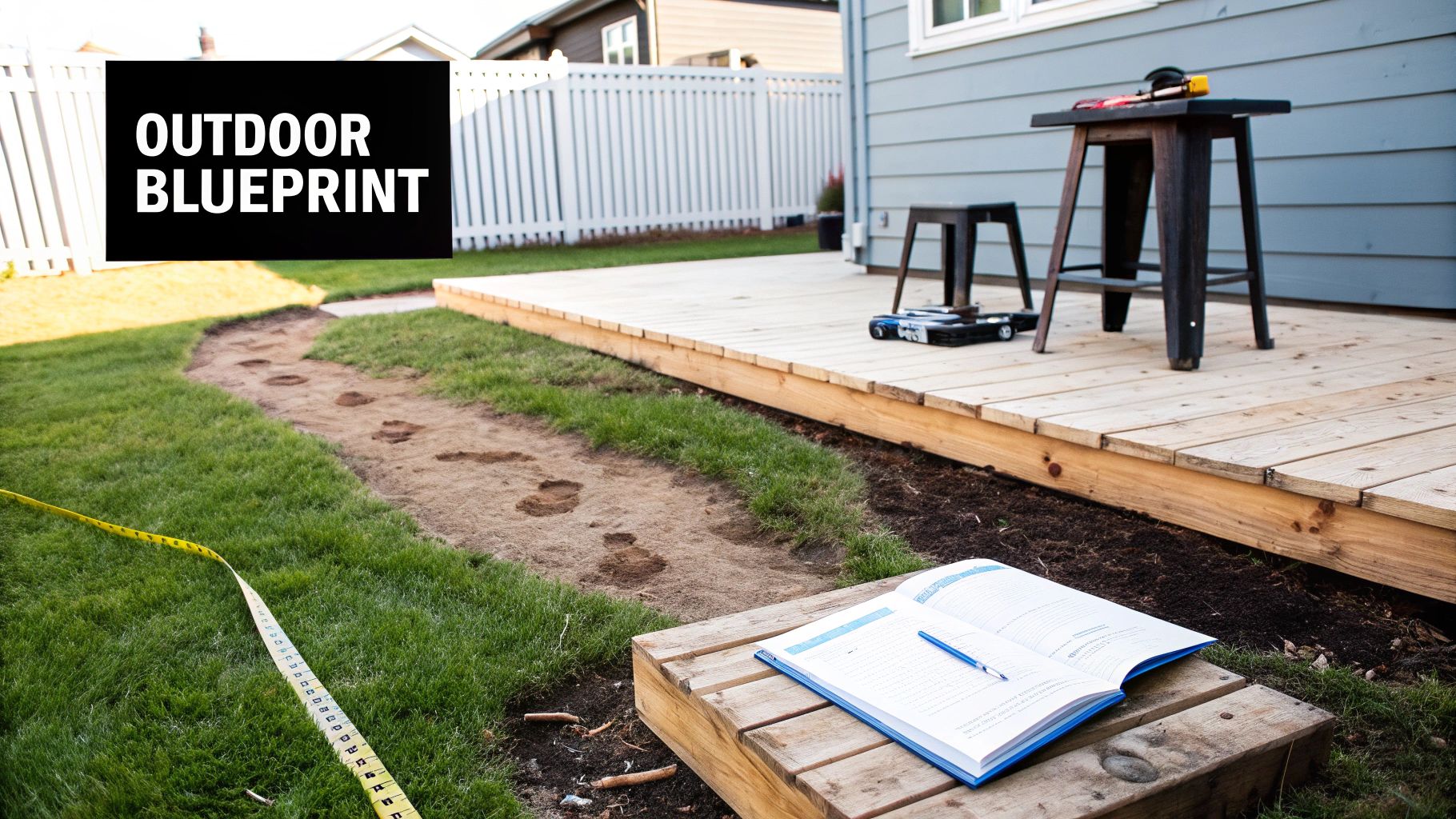
Starting a project to use decking to transform your outdoor space is an exciting prospect. Think of this guide as your complete blueprint, walking you through everything from that first spark of an idea to the final coat of sealant.
But here's a tip from experience: success doesn't start with choosing materials. It begins with a deep, honest look at your own property.
The Critical First Step: Site Assessment Of Your Outdoor Space
Before you even start dreaming of layouts and finishes, a thorough site assessment is non-negotiable. This is where you analyse your backyard's unique personality, its potential and its limitations. Skipping this stage is one of the biggest mistakes homeowners make, often leading to designs that are impractical or just don't feel right in the environment.
Get out there and really look at your space. Key things to evaluate include:
- Sun Exposure: Where does the sun hit in the morning versus the harsh afternoon? This will dictate your deck's best placement and tell you if you need to plan for a pergola or another shade solution from day one.
- Ground Slope: Is your yard pancake-flat, or does it have a noticeable slope? A sloped site isn't a deal-breaker, but it might mean a cool split-level design or more complex foundations, which will affect the budget.
- Existing Features: Take stock of established trees, garden beds, or pathways. A great design doesn't bulldoze these elements; it works with them. Building around a mature tree, for instance, can create a stunning natural centrepiece.
- Privacy and Views: What do you actually want to look at from your deck? And just as importantly, where do you need to screen for privacy from the neighbours?
A successful deck doesn't fight its surroundings; it collaborates with them. The goal is to create a structure that feels like a natural and intentional extension of both your home and your garden.
Translating Vision into a Practical Design
Once you have a firm grip on the realities of your site, you can start turning your vision into a practical design. This is all about flow and usability.
How will you step out from the house onto the deck? Where's the barbie going to live? Have you left enough room for both a dining table and a casual lounge area?
Think about how different layouts can serve different purposes. A multi-level deck is fantastic for creating separate "zones" for cooking and relaxing, while a single, expansive platform creates a seamless, open entertainment space. Don't be afraid to sketch out a few ideas.
As you plan, it's always helpful to see how your project fits into the bigger picture of outdoor improvements. Seeing how decks form a core part of projects like Monterey County Hardscape and Outdoor Structures can give you a broader perspective.
]This groundwork ensures your project starts on solid footing and results in a stunning, functional addition to your home. And if you want more inspiration, you can explore the hottest outdoor living trends for 2025 to see what's current.
Choosing Your Decking Material: Timber vs Composite
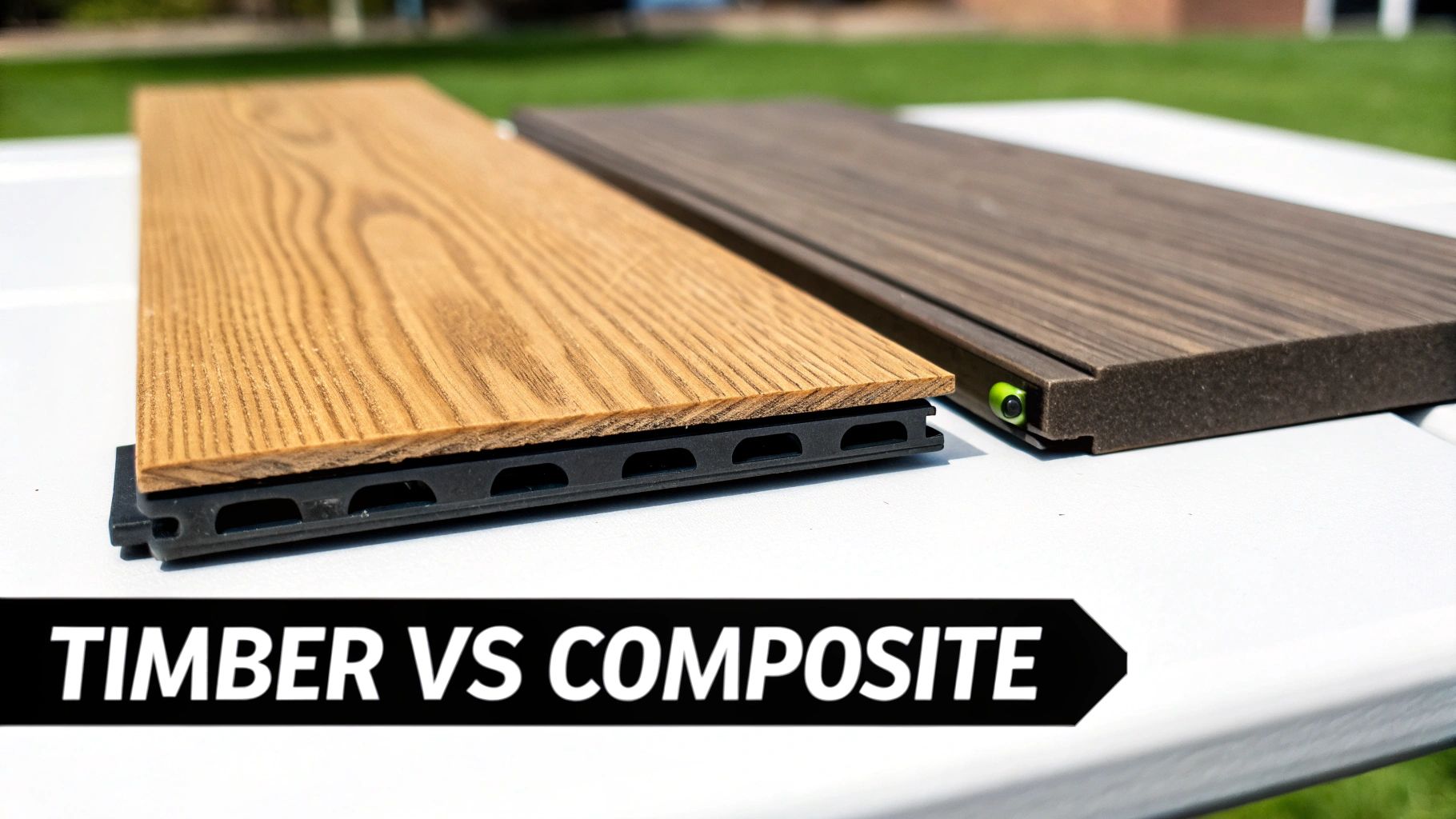
This is arguably the biggest decision you'll make for the entire project. The material you choose sets the foundation for your deck's look, dictates your weekend maintenance schedule, and heavily influences both your upfront budget and long-term costs. It's the choice that truly sets the tone as you transform your outdoor space.
The debate usually boils down to two heavyweights: traditional timber and modern composite decking. While you can find a quick pros and cons list anywhere, picking the right one for your Melbourne home means taking a closer look, especially with our unique climate in mind.
The Timeless Appeal of Timber Decking
There's just something about natural timber. Its authentic grain, rich colours, and classic feel are what many people picture when they dream of a new deck. If you're after that quintessential Australian outdoor look, timber is probably your first port of call.
Here in Victoria, we have access to some fantastic hardwoods that are perfect for decking.
- Merbau: A crowd favourite for a reason. Known for its deep reddish-brown tones and serious durability, Merbau is naturally resistant to rot and termites. Just be aware that it contains tannins that can "bleed" when wet, which might stain concrete or tiles below if it's not properly prepared and sealed.
- Spotted Gum: This is a premium Aussie hardwood, and you can see why. It boasts a beautiful variation in colour, from pale grey-browns to rich reds. It’s incredibly dense, making it highly resilient and even fire-resistant, a key factor for many properties in Australia.
The main trade-off with timber is the upkeep. To keep it looking great and protect it from Melbourne's four-seasons-in-one-day, you’ll need to set aside time to clean, sand, and re-oil or stain it every one to two years. For some, this is a rewarding ritual. For others, it's a deal-breaker.
Choosing Low-Maintenance Composite Decking Could Be A Nice Upgrade For Your Outdoor Space
Composite decking, typically made from a mix of recycled wood fibres and plastics, is the "work smarter, not harder" option. The technology behind these boards has improved dramatically over the years, now offering incredible realism and performance.
The biggest selling point? Durability with almost zero effort. Composite boards are engineered to resist fading from harsh UV, staining from a spilled glass of red wine, and splintering, a massive bonus for families with kids and pets. They won't rot, warp, or get eaten by termites, taking some of the biggest timber-related worries off the table.
While the initial cost for composite is often higher than most timbers, the long-term savings on maintenance gear (oils, stains, sanders) and your own time can easily balance this out over the life of the deck. A simple wash with soap and water is usually all it needs.
Expert Insight: Try to picture your life in five or ten years. A young family might prioritise a splinter-free, low-maintenance surface like composite. On the other hand, a passionate gardener might actually enjoy the annual ritual of restoring a timber deck, seeing it as part of their home's character. The best material is the one that fits your life, not complicates it.
Making the Right Choice for Your Home
Okay, so which way do you go? It really comes down to what you value most.
Let's imagine a busy professional couple with a modern home in the eastern suburbs. They want a sleek deck for entertaining, but their weekends are precious. For them, a high-quality composite in a contemporary grey tone is a perfect match for their home's aesthetic and their low-maintenance lifestyle.
Now, picture a family in a classic weatherboard house in the northern suburbs. They love the charm of their home and want the deck to feel like it's always been there. They opt for Spotted Gum for its natural beauty and are happy to spend a weekend each year oiling it, feeling it connects them more deeply to their home.
Timber vs Composite Decking: A Head-to-Head Comparison
To help you weigh it all up, here’s a direct comparison of the key factors you should be considering.
| Feature | Timber Decking (e.g., Merbau, Spotted Gum) | Composite Decking (WPC) |
|---|---|---|
| Aesthetics | Authentic, natural wood grain with unique variations. Colours can be stained or oiled. | Consistent colour and finish. Can mimic wood grain, but lacks natural uniqueness. Wide range of colours. |
| Upfront Cost | Generally lower initial cost, especially for common hardwoods like Merbau. | Higher initial investment. Prices vary based on brand and quality. |
| Maintenance | High. Requires regular cleaning, sanding, and re-oiling/staining every 1-2 years. | Low. Requires only occasional cleaning with soap and water. No sanding or sealing needed. |
| Durability | Prone to scratching, fading, splintering, and potential rot or termites if not maintained. | Highly resistant to fading, staining, scratching, and splintering. Impervious to rot and termites. |
| Lifespan | 15-25 years with consistent, proper maintenance. | 25+ years, often with extensive warranties against fading and staining. |
| Environmental Impact | A renewable resource, but ensure it's sourced from sustainable (FSC-certified) forests. | Often made from recycled plastics and wood fibres, reducing landfill waste. |
| Feel Underfoot | Can get hot in direct sun. Risk of splinters if not well-maintained. | Can get hotter than timber in direct sun. Splinter-free and has a uniform, smooth surface. |
Ultimately, there's no single "best" material, only the best material for you. Both timber and composite can create a stunning, functional outdoor space that will serve you well for years to come.
Natural wood decking is a cornerstone of Australian outdoor living, celebrated for its beauty and versatility. Globally, wood decks accounted for about 36% of the market share in 2025, showing a strong homeowner preference for natural materials. This is especially true in Australia, where our lifestyle encourages blurring the lines between indoors and out. For more details, you can check out the full wooden decking market analysis on Coherent Market Insights.
Getting the Paperwork Right: Permits and Rules in Melbourne
Before a single board is laid, there's an unavoidable step that separates a professional, long-lasting deck from a future headache. I'm talking about navigating building permits, local council rules, and the guidelines set out by the Victorian Building Authority (VBA). It might sound like a bit of a drag, but getting your head around the legal side of things is the key to a project that runs smoothly and, most importantly, is safe.
Let's be clear: skipping this part isn't just about risking a fine. An unapproved deck can cause real dramas later on, from voiding your home insurance to creating major hassles when you decide to sell your house. It's all about making sure your new outdoor space is built to last and meets all the required safety standards.
So, Do I Actually Need a Permit?
This is easily the most common question I get from homeowners. "Surely I don't need a permit for a simple deck?" The answer? It depends. It’s a huge myth that all decks need a permit, but it's even more dangerous to just assume yours is exempt.
In Melbourne, you’ll generally need to get a building permit from a registered building surveyor if your project ticks any of these boxes:
- Height: Is the deck floor going to be more than 800mm above the ground at any point?
- Roofing: Are you planning on adding a roof or a pergola structure to it?
- Location: Is the deck going up close to a boundary, on a steep block, or somewhere else that might affect your neighbour's property or overall safety?
These rules are in place for good reasons, they ensure the structure is solid, safe from fire, and doesn't unfairly block your neighbour's sunlight or privacy.
My best advice? A quick call to your local council’s planning department is the smartest first move you can make. They'll give you specific advice for your property and flag any local planning quirks you need to be aware of.
The Role of a Registered Building Surveyor
If it turns out you do need a permit, your next call is to a registered building surveyor. Think of them as an independent expert whose job is to check that your plans meet the Building Code of Australia and all the other relevant standards.
They’ll need to review a fair bit of documentation, which usually includes:
- Site Plans: Detailed drawings showing exactly where the deck will be, its size, and how far it is from boundaries and other buildings.
- Structural Plans: This is the nitty-gritty stuff, engineering drawings that detail the sub-frame, the footing system, and all the materials you'll be using.
- Soil Report: On some sites, a soil report is needed to figure out the right type of footings for your specific ground conditions.
Once your plans are approved and the permit is issued, the surveyor will also pop out for mandatory inspections during the build. For example, they'll need to check the stump holes after they're dug but before the concrete is poured. This is to make sure everything is being built exactly as planned. For those who want to get into the details, there's a ton of great information on the various Australian building codes that apply to these projects.
Common Pitfalls to Sidestep
Getting a permit can be pretty straightforward if you're organised. But I've seen a few common mistakes trip people up and cause some serious delays and frustration.
The biggest one? Underestimating how long it takes. Getting approval isn't an overnight thing, so you absolutely have to factor this into your project timeline right from the get-go.
Another classic mistake is submitting plans that are incomplete or have errors. That's an almost guaranteed way to get a "please provide more information" letter, which just pushes your start date further and further back. Working with a quality builder or a draftsperson who knows the local council's requirements inside-out is the best way to avoid all that back-and-forth and keep your project on track.
Budgeting and Planning Your Deck Construction
A brilliant idea for a new deck is one thing, but bringing it to life requires a solid plan. This is where budgeting and a clear construction timeline come in. Think of them as the essential guardrails that keep your project on track, preventing unexpected costs and delays from derailing your vision. A well-thought-out plan turns what could be a stressful build into an exciting, manageable process.
Putting together a realistic budget is about more than just the cost of the deck boards. A truly comprehensive budget anticipates every single expense, big and small, ensuring there are no nasty surprises down the track.
Crafting a Realistic Project Budget
Your budget is your financial blueprint. Start by listing the major expenses, but don’t forget the smaller items that can quickly add up. Taking a detailed approach right from the start is the best way to keep your spending under control.
A successful budget needs to account for:
- Materials: This is the big one. It covers not just your chosen deck boards (whether timber or composite) but the entire sub-frame. That includes joists, bearers, posts, concrete for the footings, and all the hardware like screws and brackets.
- Labour Costs: If you’re hiring a professional, this will be a significant chunk of the budget. Make sure any quote you get is itemised and specifies exactly what’s included.
- Permit Fees: Don’t forget to set aside funds for council and building surveyor fees if your project needs a permit. These costs can vary, so it’s smart to investigate them early on.
- Hidden Costs: This category is crucial. It includes things like skip bin hire for rubbish removal, potential site preparation (like minor excavation), and delivery fees for materials.
A smart rule of thumb is to add a 10-15% contingency fund to your total estimated cost. This buffer provides peace of mind, covering any unforeseen issues that might pop up during construction without blowing your budget.
This planning phase is also where you'll notice the trend towards sustainable materials. In Australia, the wood plastic composites (WPC) market was valued at around USD 122 million and is expected to grow significantly. This shift is driven by homeowners looking for durable, low-maintenance options that add real value to their property.
To get a broader perspective on project expenses, it’s helpful to understand the typical costs associated with Melbourne renovations, as this provides valuable context for your own decking project.
Understanding the Construction Timeline For Building Decks In Outdoor Spaces
Knowing the key stages of the build helps demystify the process and manage your expectations. While every project is unique, most deck constructions follow a predictable sequence of events from start to finish.
This visual guide breaks down the simple three-step flow for navigating the permit process, an essential first stage for many projects.
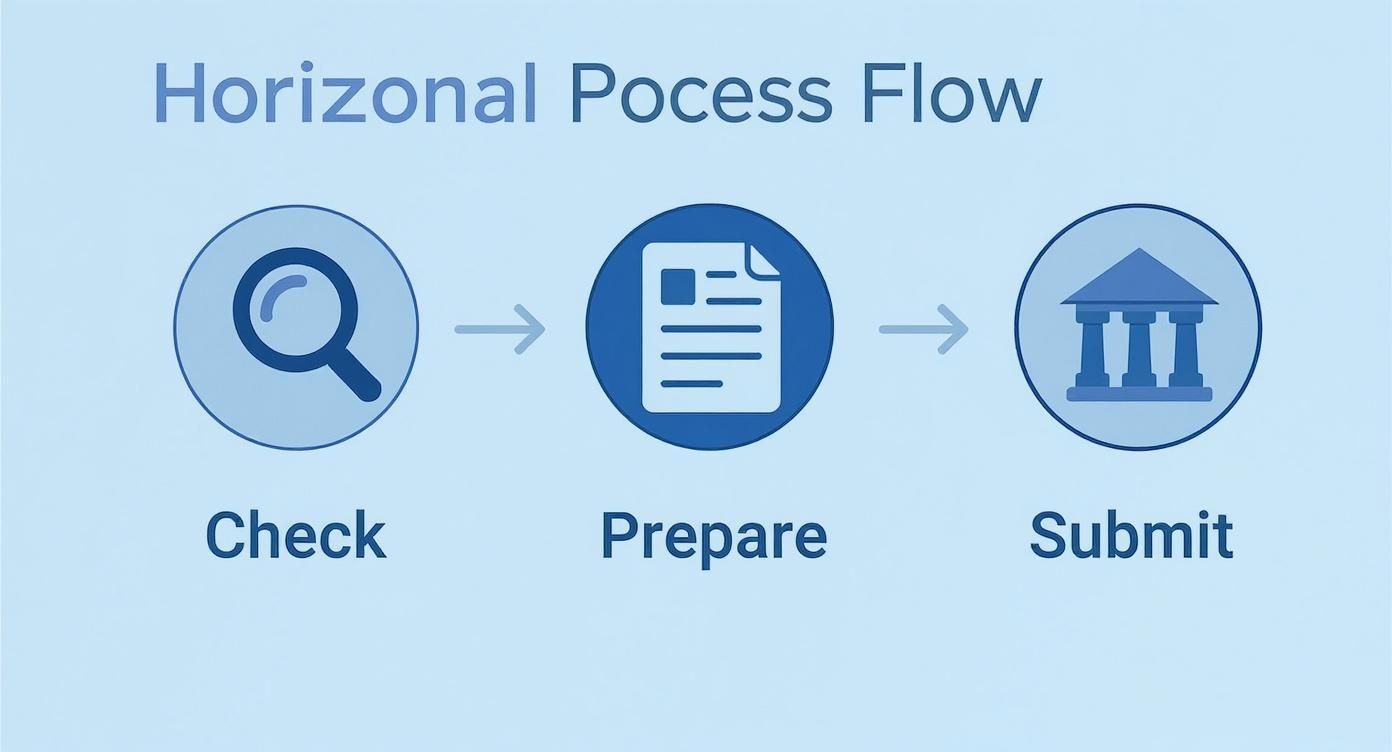
As the infographic shows, a successful application starts with checking the requirements, followed by preparing your documents, and finally submitting them to the right authorities.
Here’s a look at what you can expect once the tools come out:
- Site Prep and Foundations: The first physical step involves clearing and levelling the area. Then, the footings are marked out and dug according to the plan, ready for concrete to be poured. This foundation is the most critical part of the entire build, so it has to be perfect.
- Building the Sub-Frame: Once the concrete footings are set, the builder gets to work on the sub-frame. This is the skeleton of your deck, made up of posts, bearers, and joists that will support the deck boards. Accuracy here is absolutely paramount to ensure a level, stable surface.
- Laying the Deck Boards: This is the stage where your deck really starts to look like a deck. Your chosen timber or composite boards are cut and fixed to the sub-frame, with careful attention paid to the spacing to allow for drainage and natural expansion.
- Finishing Touches: The final phase is all about installing any additional features. This could include stairs, balustrades, handrails, privacy screens, or even built-in seating. If you've gone with timber, this is also when the initial sealing or oiling will happen.
A typical residential deck project can take anywhere from one to three weeks to complete, depending on its size, complexity, and of course, the Melbourne weather. By understanding this flow, you can coordinate better with your builder and watch your new outdoor space come to life with confidence.
Applying Finishes and Planning Long-Term Care
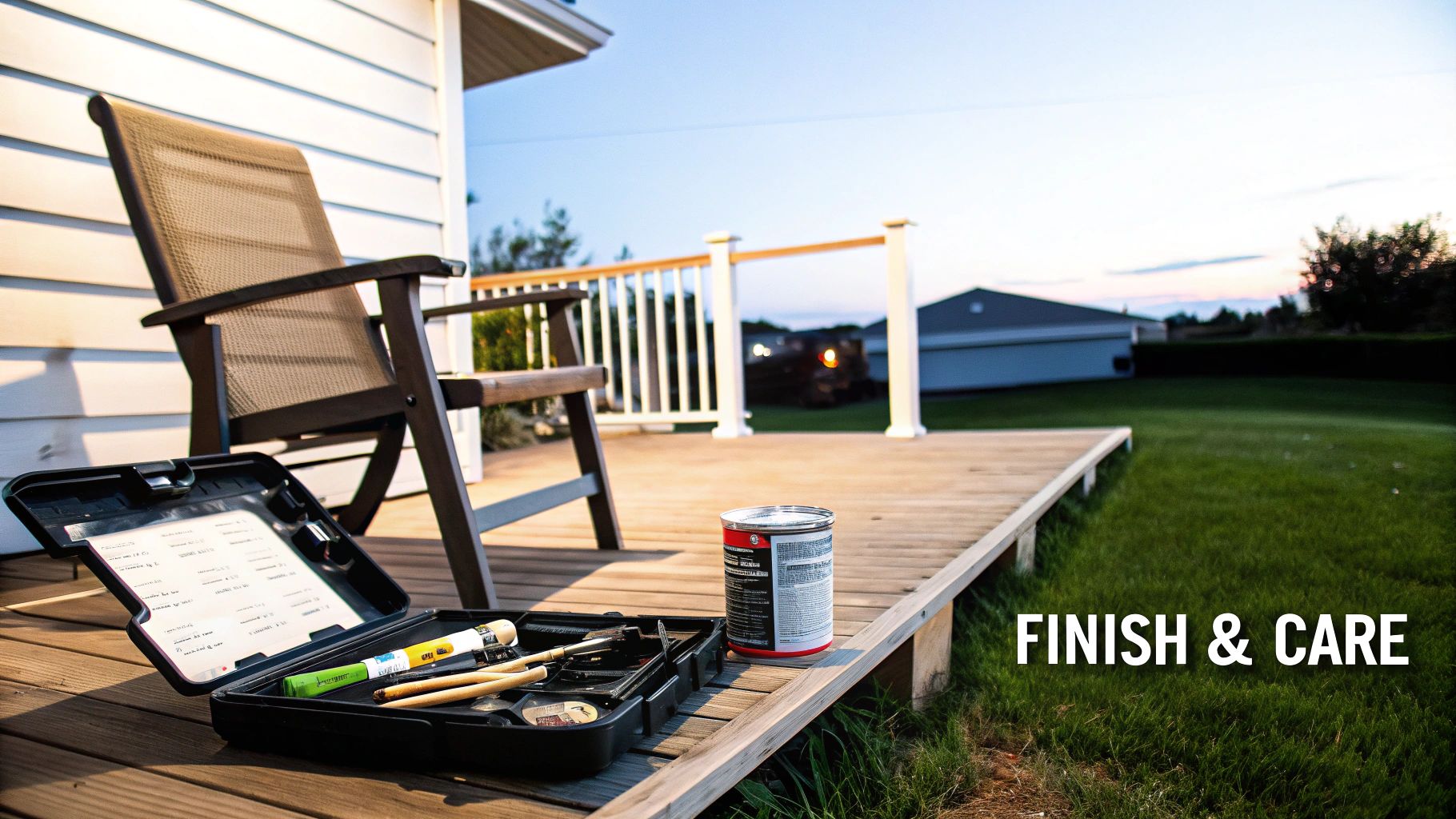
The last board is down, the saw is packed away, and your new deck is finally starting to look the part. But hold on, the job isn't quite done. The finishing touches and a smart maintenance plan are what will truly protect your investment and ensure your decking continues to transform your outdoor space for years, not just a single season.
This is where you lock in the beauty and durability. These final steps are more than just cosmetic; they’re your deck’s first line of defence against the harsh Aussie elements, from blistering summer sun to damp Melbourne winters.
Choosing the Right Finish for Timber Decks
If you’ve gone with the natural beauty of timber, applying a quality finish is non-negotiable. Think of it not as a one-off task, but as the start of a care routine that will keep the wood healthy and looking its best.
Your two main options are penetrating oils and protective stains. Decking oils soak right into the timber, nourishing it from the inside out while highlighting its natural grain and colour. Stains, on the other hand, form more of a protective film on the surface, offering robust protection and a wider range of colour options.
For a classic hardwood like Merbau or Spotted Gum, a high-quality oil is almost always the way to go. It just brings out the timber’s natural depth and richness, giving it that classic, warm look that never goes out of style.
Tip for New Timber:
Let a new hardwood deck "weather" for about four to six weeks before you apply that first coat. This gives any excess tannins and natural oils a chance to leach out, which helps the finish penetrate properly and last a whole lot longer.
Finishing Touches That Elevate Your Space
Beyond the surface treatment, a few other elements can really complete the project, enhancing both safety and atmosphere.
- Railing Styles: The balustrade you choose has a massive impact on the final look. Sleek wire railings offer a modern, minimalist feel that keeps your view clear, while glass panels provide an elegant and completely unobstructed barrier. For a more traditional vibe, timber balustrades can be designed to match your deck perfectly.
- Integrated Lighting: A bit of thoughtful lighting is what turns your deck from a daytime spot into an inviting space you can use long after the sun goes down. Think about subtle LED strip lighting under stair treads for safety or post cap lights for a soft, ambient glow.
Creating a Long-Term Maintenance Schedule
A little proactive care goes a seriously long way. Putting together a simple, season-by-season plan takes the guesswork out of maintenance and stops small issues from turning into big, expensive problems.
For Timber Decks
A simple seasonal checklist will keep your timber deck in prime condition:
- Spring Clean: After winter, give the deck a good sweep and a wash with a specialised deck cleaner to get rid of any grime or mildew. It’s the perfect time to check for loose boards or popped nails.
- Summer Prep: Check the finish before the harsh sun really kicks in. If you splash some water on it and it doesn't bead up anymore, that's your sign it’s time for a fresh coat of oil.
- Autumn Inspection: Clear away fallen leaves regularly. If you let them sit, they trap moisture and can cause nasty stains or even rot.
- Winter Watch: Make sure there's good ventilation underneath your deck. This helps prevent a damp, mould-friendly environment from developing during the wetter months.
A well-maintained timber deck isn't just an asset; it's a living part of your home. Regular care is the key to its longevity, ensuring it remains the beautiful centrepiece of your garden.
For Composite Decks
Low-maintenance doesn't mean no maintenance. While composite boards are incredibly tough, they still look their best with a bit of a clean. A simple wash-down with soap and water a couple of times a year is usually all it takes to keep them looking fresh and prevent any surface mould, especially in shaded, damp spots.
Protecting your outdoor surfaces, whatever they’re made of, is the secret to making them last. For a deeper dive into protecting various materials, check out this handy guide to sealers for long-term performance. By putting a simple care plan in place now, you’re ensuring your deck remains a safe, beautiful, and functional part of your home for many years to come.
Got Questions About Building a Deck For Your Outdoor Space? You’re Not Alone.
When you start seriously thinking about a new deck, a bunch of questions inevitably pop up. It’s completely normal. From the dollars-and-cents side of things to the nitty-gritty of the build itself, getting clear answers is the first step towards a project that runs smoothly.
We get asked these same questions all the time by Melbourne homeowners. So, let’s tackle them head-on with some straight-up, practical advice to give you the confidence you need. Getting these details sorted is a massive part of how decking can transform your outdoor space from just a patch of grass into a valuable, functional extension of your home.
How Much Value Does a Deck Really Add to an Australian Home?
This is the big one, isn't it? And for good reason. While there isn't a single magic number, a well-thought-out, professionally built deck is consistently one of the best home improvements for return on investment.
Talk to any real estate agent in Australia, and they'll tell you that a quality deck can deliver a return of anywhere from 50% to well over 100%. Why? Simple. A deck adds usable, livable square footage to your property. It’s not just about aesthetics; it's about expanding the functional footprint of your home, which is a huge drawcard for potential buyers.
The secret to hitting that higher return is making it look like it was always meant to be there. The deck's style, size, and materials need to feel like a natural part of the house and fit in with the vibe of your neighbourhood. A deck that sticks out like a sore thumb can do more harm than good.
What Is the Best Time of Year to Build a Deck in Melbourne?
In a city with four seasons in one day, timing your deck build can make a huge difference. For Melbourne's famously unpredictable weather, autumn and spring are hands-down the best seasons to get the tools out.
The mild, stable weather during these months is ideal for construction. Summer can be a killer with extreme heat affecting both the crew and the materials, while winter often means non-stop rain, leading to frustrating delays and issues with timber acclimatising on site.
- Autumn Build (March-May): This is a brilliant strategic move. You get the deck built and finished with plenty of time for the oils or stains to cure properly, making it perfect and ready for the first hint of warm weather.
- Spring Build (September-November): Building in spring means your new outdoor space will be ready just as the entertaining season kicks off. Think long weekends, Christmas barbies, and New Year's Eve parties.
It’s also worth noting that good builders are often booked solid in the frantic rush before Christmas. Booking in the shoulder seasons can sometimes give you a bit more flexibility with scheduling.
How Can I Make My Small Backyard Look Bigger with a Deck?
A deck is one of the best tricks in the book for making a compact backyard feel more spacious. With a few clever design choices, you can create a real illusion of space.
First off, think about a low-profile deck. Creating a seamless, single-level flow from your inside living area straight out onto the deck instantly merges the two zones, making both feel much larger and more connected.
Here are a few more proven strategies:
- Board Direction: Lay wider deck boards running along the longest length of your garden. This simple trick draws the eye down the yard, making the whole area feel deeper.
- Colour Choice: Go for lighter-coloured timbers or composite boards. Light tones reflect more sunlight and create an open, airy feeling that you just don't get with dark, heavy colours.
- Built-in Features: Integrate seating or planter boxes around the edges of the deck. This is a game-changer for saving floor space, as you won't need clunky, freestanding furniture cluttering up the area.
- Railing Design: Keep railings simple and minimalist. Wire balustrades or glass panels are fantastic because they don’t block the view, preserving that all-important sense of openness.
What Are the Most Common Deck Building Mistakes to Avoid?
Honestly, knowing what not to do is just as critical as knowing what to do. The most common, and most expensive, mistakes we see are almost always related to the part of the deck you can’t see: the foundations.
An inadequate or poorly built sub-frame is the number one cause of a deck failing prematurely. This covers a whole host of sins, from using untreated pine for posts that are in contact with the ground, to skimping on concrete for the footings or getting the joist spacing wrong. These are shortcuts that compromise the deck's integrity from day one.
Another classic error is not planning for proper drainage and ventilation underneath the deck. Trapped moisture is the mortal enemy of timber. It creates the perfect breeding ground for rot, mould, and termites.
And finally, a surprisingly common mistake, especially for DIYers, is simply not checking the local council regulations. This can land you in serious hot water, from hefty fines to, in the worst-case scenario, being ordered to pull the whole thing down. Always, always check what permits you need before you even think about starting.
Ready to create an outdoor space that perfectly suits your lifestyle? The team at Smarter Home Renovations has over 20 years of experience designing and building high-quality decks across Melbourne. We manage the entire process, from design and permits to construction and finishing touches, ensuring a stunning result delivered on time and on budget.