Planning a backyard upgrade? Discover the real cost to build a pergola in Melbourne with our guide to materials, labour, permits, and money-saving tips.
So, what does it actually cost to build a pergola in Melbourne? Realistically, you could spend anywhere from a few thousand dollars for a basic kit to $20,000 or more for a large, custom-designed structure. A professionally installed, mid-range pergola commonly lands somewhere between $4,000 and $8,000: a pergola that nails the balance between quality materials and a practical, beautiful design.
Think of that figure as your starting point for transforming your outdoor area into something special.
Your Pergola Budget Snapshot
Before we get into the nitty-gritty of materials, labour, and all the other details, it helps to have a clear picture of the investment you’re looking at. Budgeting for a pergola is a bit like planning a holiday, the final cost depends entirely on whether you're camping locally or flying first-class. The initial price tag is shaped by the type, size, and features you choose.
Getting a handle on these baseline costs helps set realistic expectations from the get-go. For many Melbourne homeowners, a new pergola is just one piece of a bigger backyard puzzle. To see how this fits into your broader financial plan, it's worth comparing it with the general cost of renovation in Melbourne, giving you a complete view of your potential investment.
Estimated Pergola Costs in Melbourne at a Glance
So you can visualise the numbers more easily, we've put together a simple table outlining what you can expect to pay for different types of installed pergolas in the Melbourne market. This will give you a quick idea of where your project might land.
| Pergola Type | Typical Size | Estimated Cost Range (Installed) |
|---|---|---|
| Treated Pine (Flat Roof) | 3m x 4m | $3,500 – $6,000 |
| Aluminium Louvre (Manual) | 4m x 4m | $6,000 – $10,000 |
| Hardwood (e.g., Merbau) | 4m x 5m | $8,000 – $14,000 |
| Custom Steel Pergola | 5m x 6m | $12,000 – $20,000+ |
As you can see, the cost can vary significantly based on your choices. It's a useful reference to keep in mind as you start planning the specifics of your outdoor space.
Key Takeaway: The two biggest factors driving the cost are the material you choose and the type of roofing system. A simple, fixed-roof timber structure will always be more budget-friendly than a motorised aluminium louvre system of the same size.
Understanding Where Your Money Goes in a Pergola Build
Looking at the final quote for a pergola can feel a bit like glancing at the total on a big grocery bill, it’s just one number. To really get your head around the cost to build a pergola, you need to see the itemised receipt. Breaking it all down shows you exactly where your investment is going, from the concrete in the ground to the final coat of paint.
Think of it like this: the total cost is just a mix of different ingredients, and each one has its own price. When you understand what those ingredients are, you can have much clearer conversations with your builder and make smarter calls on where to spend and where you might be able to save a little. That transparency is what gives you confidence in your project.
The Core Components of Your Pergola Cost
Every pergola project, no matter how big or small, boils down to a few key cost categories. These are the big-ticket items that make up most of your budget. Getting familiar with them helps take the mystery out of the final price tag.
Let's pull apart the main expenses you'll come across:
- Materials: This is usually the biggest chunk of the pie, often taking up 40-60% of the total budget. This covers everything from the timber, aluminium, or steel for the frame and posts to the roofing material, like polycarbonate sheets or adjustable louvres.
- Labour: The skilled hands that actually bring your vision to life are a major investment. Labour costs cover the time and expertise of the carpenters, builders, and other tradies involved in getting the job done right.
- Foundations and Site Prep: Before the first post can go in, the ground needs to be ready. This includes costs for any digging, pouring concrete footings, and making sure the site is perfectly level and stable.
- Permits and Fees: Depending on its size and where you’re building it, you might need a nod from the local council. These admin costs are a necessary part of making sure your pergola is safe and up to code.
- Finishes and Add-ons: This is all the stuff that adds the final polish, from staining or painting the timber to running electricals for lights, ceiling fans, or outdoor heaters.
The chart below gives you a quick snapshot of the typical budget ranges you might see for pergola projects across Melbourne.
As you can see, while a budget-friendly pergola is definitely doable, adding premium features and materials can push the total investment up quite a bit.
To give you a clearer picture of how a typical budget is allocated, we've broken it down by percentage. This helps illustrate where the majority of your funds are likely to be directed during the build.
Typical Cost Breakdown for a Standard Pergola Project
| Expense Category | Percentage of Total Budget | Key Considerations |
|---|---|---|
| Materials | 40% – 60% | The choice of timber vs. steel, and basic roofing vs. louvres will have the biggest impact here. |
| Labour | 30% – 50% | This varies based on the complexity of the design and the experience of the building crew. |
| Foundations & Site Prep | 5% – 15% | A sloping or difficult-to-access site will push this percentage higher due to extra work. |
| Permits & Fees | 1% – 5% | A necessary cost for compliance, though it's a smaller piece of the overall budget. |
| Finishes & Add-ons | 5% – 20% | This can be minimal (a simple stain) or substantial (full electrical fit-out with heaters). |
This table shows that materials and labour are the heavy hitters, but the other components are essential for a quality, long-lasting structure. Don't overlook them when planning your budget.
A Deeper Dive into Labour and Site Costs
While everyone focuses on materials, it's often the labour and site prep where costs can catch you by surprise. The expertise needed for a quality build comes at a price, and the condition of your backyard plays a huge role.
Labour is a massive factor. A standard carpenter might charge between $70 and $100 per hour, but for a complex architectural design, you could be looking at a licensed professional charging up to $180 per hour. Site preparation is another big variable. If your yard has a bit of a slope, excavation can cost $120-$150 per hour just to get the ground level.
Permits and Compliance
Sorting out council regulations is a critical step that adds to your overall cost. Here in Melbourne, many pergolas need a building permit, especially if they’re over a certain size or height, or if they're attached directly to your house.
The permit process involves getting plans drawn up, submitting applications, and paying the fees, which can add anywhere from a few hundred to a couple of thousand dollars to your project. It feels like red tape, but it’s a non-negotiable expense that ensures your pergola is structurally sound and legally compliant. For a more detailed walkthrough, you can learn more about navigating council approval for renovations to make sure you're prepared.
Expert Insight: Whatever you do, don't skimp on the foundations. Properly engineered concrete footings are absolutely essential for the long-term stability and safety of your pergola. Cutting corners here is a surefire way to end up with expensive structural problems down the track.
Ultimately, each of these elements feeds into the final cost to build a pergola. By understanding this breakdown, you’re in a much better position to plan your budget and appreciate the real value that goes into creating a beautiful outdoor structure that will last for years.
What Really Drives the Final Cost of Your Pergola?
Ever wondered why two pergolas that look almost identical can have completely different price tags? It’s the key to getting a grip on your budget and making smart choices. The final cost to build a pergola isn’t a number plucked out of thin air; it’s shaped by a handful of important factors that push the total up or down.
Think of it like buying a car. The base model has a sticker price, but once you start adding the sunroof, leather seats, and a better sound system, that price starts to climb. Your pergola works the same way. The size, the materials you pick, the complexity of the design, and even what your backyard looks like all play a huge part in the final investment.
Size and Complexity: The Exponential Cost Drivers
It’s easy to assume that a bigger pergola simply costs more, but the relationship isn't always so straightforward. Doubling the size of your pergola can often more than double the cost, especially when the larger scale demands a more robust structure.
A bigger footprint obviously needs more timber or steel, which is the first price jump. But it also calls for thicker posts, deeper foundations, and stronger beams to carry the extra weight across a wider span. That means more material costs and more labour. As a project grows, so does its complexity. A simple 3m x 4m square pergola is a world away from building a sprawling 6m x 8m L-shaped structure that needs to hug a corner of your house.
As a rough guide, a 20 sqm timber pergola might start at around $4,500, while a 40 sqm version could reach $9,000 or more, because materials make up such a large share of the budget.
Here’s a real-world example: Picture two jobs. The first is a simple, freestanding square pergola plopped in the middle of a flat, open lawn. The second is the exact same size, but it needs to be attached to the house, built over an existing deck, and feature some fancy latticework on one side. That second job will always cost significantly more because of the extra work and technical skill needed to integrate it with what's already there.
Your Choice of Materials
The materials you go with will have the single biggest impact on your final quote. This choice doesn’t just affect the upfront cost; it also dictates how much maintenance you’ll be doing down the track and how long your pergola will last.
Here’s a quick rundown of the popular choices here in Melbourne:
- Treated Pine: This is the undisputed champion for budget-friendly projects. It’s affordable and a breeze to work with, but it absolutely needs regular painting or staining to keep it safe from the weather and stop it from rotting.
- Hardwoods (like Merbau): If you’re after a more premium look, hardwoods are a fantastic mid-to-high-end option. They have those beautiful rich colours and are naturally tough against rot and pests, but you’ll pay more for the materials upfront.
- Aluminium and Steel: For anyone wanting a modern, "set and forget" solution, metal is a brilliant choice. It won't warp, rot, or get eaten by termites. While the initial bill is often higher than treated pine, the tiny amount of upkeep required can save you a fair bit of money in the long run.
Site Conditions and Access
Your backyard itself has a massive say in the final price. A builder’s dream is a perfectly flat, clear patch of grass with easy access for a ute and trailer. This means less prep work, which translates to lower labour costs for you.
Unfortunately, many Melbourne properties come with their own unique quirks. A sloping block, for example, means a lot of digging and maybe even retaining walls just to get a level base, adding serious time and expense. Likewise, if your backyard is tucked away behind a narrow side gate or up a steep driveway, all the materials have to be carried in by hand. Every extra trip adds to the labour bill, and you'll see that reflected on the final invoice. You’re essentially paying for the job’s difficulty level.
Comparing Pergola Materials and Their Cost Implications
Choosing the material for your pergola is a bit like picking the engine for a car. It’s the single biggest decision you’ll make, and it sets the tone for everything else, not just the initial price, but also its performance, lifespan, and how much effort you’ll need to put in down the track. This choice is the core factor influencing the final cost to build a pergola, affecting both your upfront investment and any ongoing expenses.
But this decision is about more than just numbers on a spreadsheet. It’s about the look, feel, and overall character of your new outdoor space. Are you picturing a classic, rustic charm, or is a sleek, modern finish more your style? Getting to grips with the trade-offs between different materials is the key to making a choice you’ll be genuinely happy with for years to come.
Treated Pine: The Budget-Friendly Favourite
For homeowners wanting to keep those initial costs down, treated pine is almost always the go-to option. It’s affordable, surprisingly lightweight, and easy for builders to work with, which all helps to keep labour costs in check. Think of it as the practical, reliable choice for getting a great-looking structure without a hefty price tag.
Of course, that affordability comes with a trade-off: maintenance. To protect it from Melbourne's famously unpredictable weather, pesky insects, and rot, treated pine needs a consistent routine of staining or painting every few years. This ongoing upkeep is a crucial part of its total cost of ownership.
Hardwoods: The Premium Timber Choice
If you're after natural beauty and serious durability, hardwoods like Merbau are a massive step up. Prized for their rich, deep colours and natural resistance to decay and pests, these timbers deliver a premium, long-lasting finish. They add an immediate sense of warmth and value to your property that’s hard to replicate.
That superior quality and aesthetic appeal naturally come at a higher upfront cost, both for the material itself and sometimes for the specialised labour needed to work with denser wood. While hardwoods don't need the same intensive maintenance as pine, they still benefit from an occasional oiling to keep their vibrant colour from fading. This kind of premium material is a perfect match for homeowners looking at other high-quality features, and you can see how they complement other structures in our guide on decking to transform your outdoor space.
Expert Insight: The true cost of a material isn't just the price you pay today. It's the total of the initial purchase plus all future maintenance. A cheaper material needing yearly work can easily end up costing more over a decade than a premium, low-maintenance one.
Aluminium and Steel: The Modern, Low-Maintenance Solution
For a sleek, contemporary look with almost zero upkeep, you simply can't beat aluminium and steel. These materials offer incredible strength and longevity, easily standing up to rust, warping, and pests without needing regular sealing or painting. This makes them a fantastic "set and forget" option for busy homeowners.
The initial investment for a metal pergola is typically higher than for a standard treated pine structure. However, the long-term savings in both time and money on maintenance can make it a much more economical choice over the life of the pergola.
Here’s a quick breakdown of how they stack up:
| Material | Upfront Cost | Maintenance Level | Best For |
|---|---|---|---|
| Treated Pine | Low | High (Regular sealing) | Budget-conscious projects and DIYers. |
| Hardwood | Medium-High | Medium (Occasional oiling) | Premium aesthetic and natural durability. |
| Aluminium/Steel | High | Very Low (Occasional cleaning) | Modern designs and minimal upkeep. |
Ultimately, the best material really hinges on your priorities. It's all about finding the right balance between your budget, the look you want to achieve, and how much time you're willing to spend on future maintenance.
How to Save Money on Your Pergola Project
Building your dream outdoor space doesn’t have to mean draining your savings. While the cost to build a pergola can feel a bit daunting, a few clever decisions can make a huge difference to the final price tag. This isn't about cutting corners on quality, but about being strategic to get the absolute most value for every dollar you spend.
Think of it like planning a road trip. The right route and smart planning mean you get to your destination without burning through unnecessary fuel. These practical tips will help you do just that with your pergola.
Be Smart with Timing and Design
One of the easiest ways to find a saving is to book your project during the off-season. Builders are usually flat-out in spring and summer, but things can quieten down in late autumn or winter. Scheduling your build during these periods could lead to more competitive quotes as builders look to keep their teams busy.
Another great trick is to stick with standard dimensions. Materials like timber and roofing sheets are sold in set lengths. By designing your pergola around these sizes, say, 3.0m or 4.8m, you drastically reduce offcuts and material waste. Less waste means less money spent. Simple.
Prioritise Needs Over Wants Initially
A high-end pergola can feel more achievable if you tackle it in phases. Get the bones right first: the posts, the beams, and a solid roof. All the premium features can be added later as your budget allows.
Think of it like this:
- Lighting and Electricals: Get the structure built now, and install those sleek downlights or a ceiling fan next summer.
- Privacy Screens: Live with the open feel for a season. You can always add custom latticework or screens down the track if you find you need them.
- Premium Roofing: A simple polycarbonate roof will do the job perfectly to start. You can always upgrade to a fancy adjustable louvre system in a few years.
This approach lets you start enjoying your new outdoor area much sooner without the financial strain of paying for every single bell and whistle upfront.
Choose Your Materials Wisely
Everyone loves the look of premium hardwoods, but they definitely come with a premium price. Choosing a quality treated pine can save you a serious amount of money on materials. With a good stain and a little bit of regular maintenance, a pine pergola looks fantastic and will last for years, all for a fraction of the cost of Merbau.
Key Insight: Don't mistake "cheaper" for "lower value." A well-looked-after treated pine pergola can give you decades of enjoyment. The only trade-off is committing to its upkeep, which is a small price to pay for the huge initial savings.
Thinking about the bigger picture can also help. When you approach your pergola as one part of an overall plan for your outdoor space, every cost makes more sense. By making informed choices, you can create a beautiful and functional outdoor retreat that works perfectly for your home and your wallet.
Pergola Costs: Your Questions Answered
As you get closer to making a decision, a few specific questions always seem to pop up. Finalising the details around the cost to build a pergola can feel like putting the last few pieces of a puzzle together. Here, we’ll give you direct answers to the most common queries we hear from Melbourne homeowners, so you can move forward with confidence.
Think of this as your quick-reference guide for those final, important details. We'll cover everything from council permits to property value, giving you the practical insights you need.
When Do I Need a Council Permit for a Pergola in Melbourne?
This is a big one, and the answer isn't always a simple yes or no. In Victoria, you generally need a building permit for a pergola if it hits certain triggers, which usually come down to its size and where you plan to put it.
You will almost certainly need a permit if your pergola:
- Is larger than 10 square metres in area.
- Is taller than 3 metres at its highest point.
- Is positioned less than 1 metre from your property boundary.
Navigating local council rules can be a real headache, as different municipalities sometimes have their own specific overlays or requirements. A professional builder handles this entire process for you, ensuring your project is fully compliant from day one and saving you from potential fines or orders to tear it down later.
How Much Value Does a Pergola Add to My Home?
A well-designed, professionally built pergola is a fantastic investment, but its value goes beyond just a dollar figure. It seriously boosts your property's lifestyle appeal, which is a massive selling point for potential buyers here in Melbourne.
A beautiful outdoor living area extends the usable footprint of your home, making it feel larger and much more functional. While it's tricky to put an exact number on it, real estate agents consistently agree that a quality outdoor structure can significantly increase your home's perceived value. It can lead to a quicker sale at a higher price because it transforms a simple backyard into an entertainer's dream.
Can I Build a Pergola Over an Existing Deck?
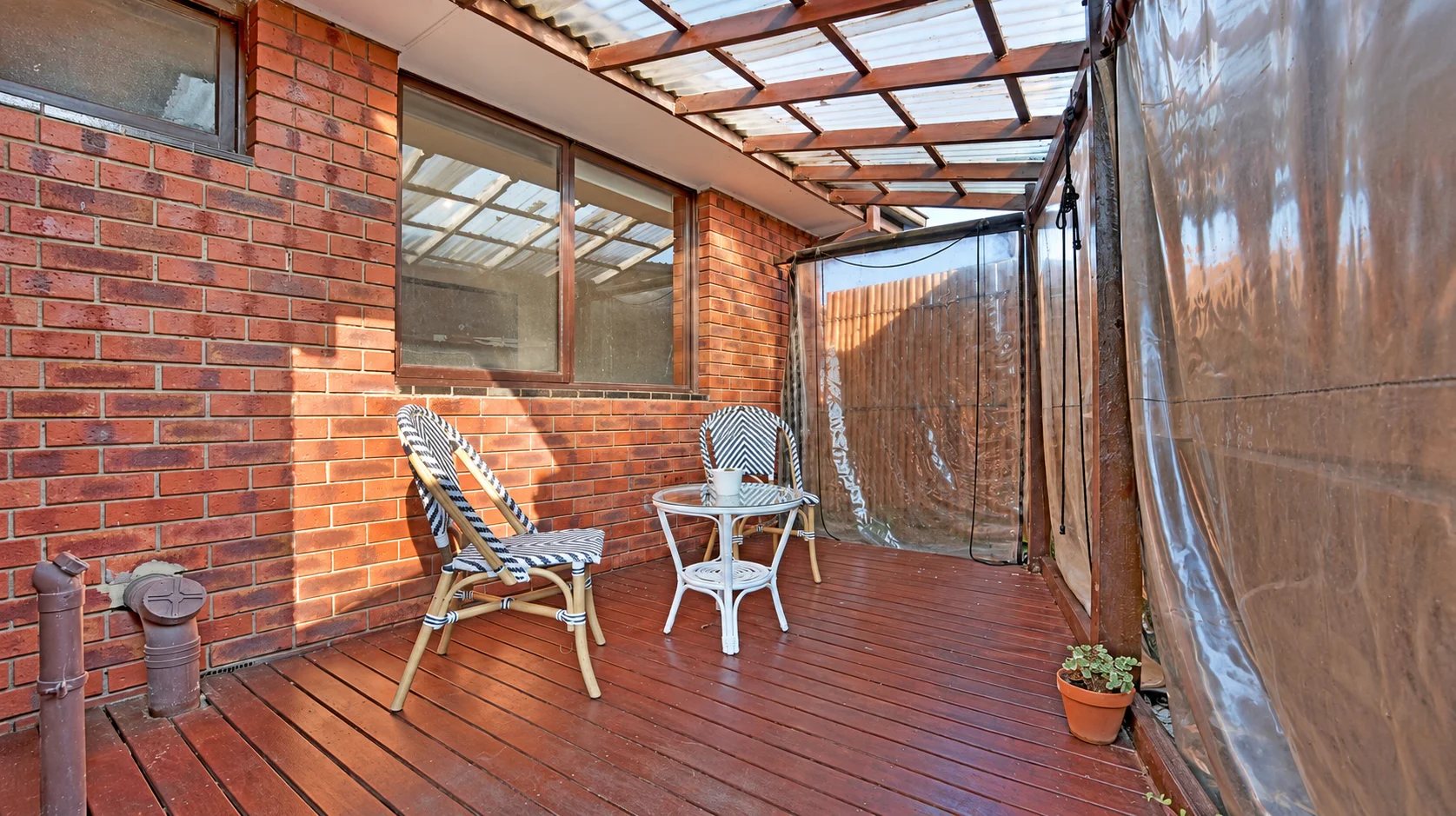
Yes, absolutely! Building a pergola over an existing deck is one of the most popular ways to create a defined, sheltered outdoor room. It does, however, require some careful planning to make sure the deck's foundation can handle the extra load.
The key thing here is the structural integrity of your deck. A pergola's posts need to transfer their weight directly to solid ground, not just sit on top of the decking boards. This usually means we need to cut through the deck to pour new, dedicated concrete footings for the pergola posts. An experienced builder will assess your deck's structure first to confirm it can be done safely and effectively.
Is It Cheaper to Buy a DIY Kit or Hire a Professional?
On paper, a DIY pergola kit always looks cheaper because you aren't paying for labour. A basic kit might only set you back $1,000 to $5,000, whereas a professional installation typically starts from around $4,000 and goes up from there.
But the "total cost" of a DIY project isn't just the price tag. It also includes your time, the tools you'll have to buy or hire, and the very real risk of making a costly mistake. A professional build guarantees a safe, structurally sound, and perfectly finished structure, often completed in a fraction of the time. For most homeowners, the peace of mind and quality finish you get from a pro delivers far greater long-term value.
Ready to get a clear, detailed price for your dream pergola? The team at Smarter Home Renovations provides transparent quotes with no hidden surprises. Contact us today for a personalised consultation and let's start planning your perfect outdoor space. Get Your Free Estimate Today.