Discover the perfect farmhouse sink in kitchen guide for Australian homes. Learn about materials, installation, styles, and maintenance.
A farmhouse sink is so much more than just a place to wash up; it's a statement piece that brings together timeless charm and seriously practical, modern function. You might also hear it called an apron-front or butler sink, but its signature exposed front and deep basin make it an instant focal point in any kitchen renovation.
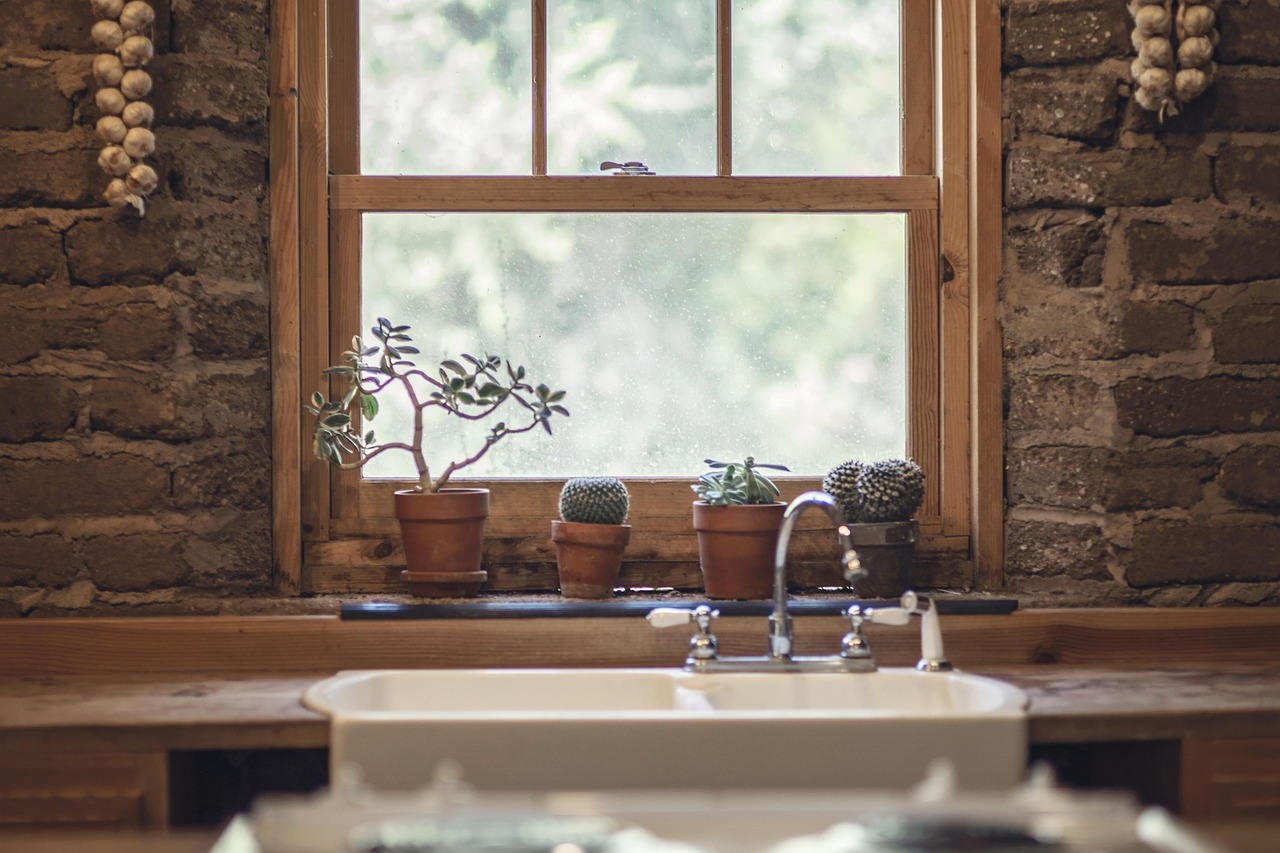
The Enduring Charm of the Farmhouse Sink
Walk into any modern kitchen with a farmhouse sink, and you instantly get a feeling of warmth and style that just lasts. But what is it about this design that makes it such an enduring centrepiece? Its story didn't start as a design trend but as a pure workhorse, slowly evolving from a functional necessity into the celebrated icon it is today.
Think of it as the heart of the kitchen, where purpose and personality really meet. The deep, generous basin wasn't originally about looks; it was designed to handle massive pots, wash vegetables from the harvest, and make daily chores that much easier. Today, that same depth is perfect for washing oversized cookware, hiding a stack of dirty dishes before guests arrive, and keeping splashes to a minimum.
Defining Features and Appeal
Two things truly define the farmhouse sink and give it its unique character: its sheer depth and that distinctive front.
- The Deep Basin: Unlike your standard inset sink, its generous volume is built for real-world messes. It can handle everything from a huge roasting pan after a Sunday lunch to giving a small toddler a quick clean-up.
- The Exposed Apron Front: This is the sink’s signature look. It pushes forward past the cabinetry, creating a seamless, built-in feel that's not only visually striking but also more comfortable to use, as you don't have to lean over the counter as much.
It's this perfect blend of form and function that explains why the farmhouse sink has made its way from rural European homes into sophisticated urban kitchens. It gives a nostalgic nod to the past while easily meeting the demands of a busy, contemporary life.
Historically, these sinks first appeared in Europe back in the late 17th century. Here in Australia, they’re often called butler sinks. The original Belfast sink is a well-known example, famous for its overflow feature which was a practical addition at the time. You can learn more about the history of the butler farmhouse sink to get a real sense of its heritage. Now, let’s get into the key decisions you'll need to make, from materials to installation, so you can confidently choose the perfect farmhouse sink for your kitchen.
Choosing the Right Material for Your Sink
Picking the right material for your farmhouse sink is a classic case of balancing timeless good looks with the rough-and-tumble of daily life. This decision goes way beyond aesthetics; it shapes your cleaning routine, the sink's lifespan, and the overall feel of your kitchen. It’s where your design dreams meet your lifestyle realities.
Think of the sink material as its core personality. Are you chasing that classic, almost ceramic-like charm of fireclay, or do you prefer the sleek, modern vibe of stainless steel? Each option brings a totally different character to your kitchen’s main workspace.
This little decision tree can help you cut through the noise, asking some simple questions about what you value most in style and function.

As the infographic shows, what you prioritise, be it bulletproof durability, a specific look, or easy cleaning, should point you directly to the perfect material for your home.
Fireclay: A Timeless Classic
There's a good reason fireclay sinks are so popular. Forged in incredibly high temperatures, this material is exceptionally durable. It stands up to scratches, chips, and heat without breaking a sweat.
Better yet, its smooth, non-porous surface is a dream to clean and fights off stains beautifully. Many modern fireclay sinks now come with handy integrated features like internal overflows, which is a practical touch that helps prevent those dreaded spills.
Stainless Steel: The Modern Workhorse
If your kitchen has a more contemporary or industrial edge, stainless steel is a fantastic choice. It’s surprisingly lightweight, affordable, and practically bulletproof when it comes to rust and corrosion.
Sure, it can show water spots and pick up minor scratches over time, but many homeowners find these just blend into a soft, lived-in patina that adds character. The only real catch is that it can be a bit louder when you drop pots and pans in, though good quality sinks come with sound-dampening pads on the underside to quiet things down.
A key takeaway: No material is perfect. The "best" one is simply the one that fits your household's habits like a glove. Be honest about how much time you want to spend on maintenance versus how much you value a particular look.
Cast Iron and Copper: Unique Personalities
Looking for something a bit different? Cast iron and copper bring their own unique flair to the kitchen.
- Cast Iron: These sinks are coated in a thick, glossy layer of enamel, making them incredibly tough with a beautiful finish. Just be aware, they are seriously heavy and need robust cabinet support to hold them up.
- Copper: A copper farmhouse sink is a "living finish." It develops a unique patina over time, changing and deepening with every use. Plus, its natural antimicrobial properties are a massive bonus for a busy kitchen.
To make the choice a little clearer, let’s break down the main contenders you'll find here in Australia.
Farmhouse Sink Material Comparison
| Material | Key Benefits | Potential Drawbacks |
|---|---|---|
| Fireclay | Extremely durable, stain and scratch-resistant, easy to clean, classic look. | Can chip if heavy items are dropped, can be expensive. |
| Stainless Steel | Affordable, lightweight, resistant to rust and heat, matches most appliances. | Can scratch and show water spots, can be noisy without sound dampening. |
| Cast Iron | Very durable, glossy non-porous finish, available in various colours. | Extremely heavy requiring reinforced cabinets, enamel can chip. |
| Copper | Develops a unique patina, naturally antimicrobial, makes a bold statement. | Requires specific cleaning to maintain its look, can be easily dented. |
Ultimately, the material you land on will shape your daily interactions with your sink and play a huge part in your kitchen renovation's success. Factoring these choices into your budget is key. Getting a handle on the overall kitchen renovation cost in Melbourne will help you see where you can best allocate your funds for high-impact features like the perfect sink.
Navigating Installation and Cabinetry Needs

Putting a farmhouse sink into a kitchen isn't like dropping a standard sink into a hole. It's a structural change that involves your cabinetry right from the get-go, so you need to plan carefully. Think of it less like a simple fixture and more like a small throne that needs its own purpose-built, reinforced base.
This is because the sink’s sheer weight, especially when full of water and dishes, demands serious support that standard off-the-shelf cabinets just aren't built for. A dedicated base cabinet is absolutely essential to hold that load safely year after year. This cabinet will be specifically modified to both support the sink from underneath and have its front section neatly cut away to show off that signature apron front.
Understanding Installation Styles
How your farmhouse sink meets the countertop completely changes its look and day-to-day use. There are three main ways to install one, each giving a different finish and impacting how you use your kitchen.
- Undermount: This is by far the most popular choice. The sink is installed just below the countertop, creating a seamless edge. It’s a dream for cleanup because you can wipe crumbs and spills straight into the basin without hitting a lip.
- Top-mount (or Drop-in): With this method, the sink has a visible rim that sits on top of the bench. While it's less common for farmhouse styles, it can be a simpler installation and fits well with rustic or more traditional designs.
- Flush-mount: For a truly sleek, integrated look, a flush-mount installation lines up the top edge of the sink perfectly with the countertop surface. This one takes real skill to get perfectly level and seamless.
Choosing between these styles doesn't just affect the final look; it also has a big impact on the complexity and cost of the installation.
The Critical Role of Custom Cabinetry
You simply can't slot a heavy fireclay or cast iron farmhouse sink into a standard cabinet without major modifications. The base cabinet either needs to be purpose-built from scratch or professionally altered.
The most common mistake homeowners make is underestimating the cabinetry requirements. A properly installed farmhouse sink needs a support structure, often a wooden frame or cradle built inside the cabinet, to hold its full weight, ensuring the countertop and surrounding cabinets are not under strain.
This custom approach means the cabinet's height and depth are matched exactly to your specific sink model. The front panel is then carefully cut to create a perfect frame around the apron. This is definitely a job for a skilled carpenter or cabinet maker. If you're planning a reno, knowing the level of detail involved is key, and you might find it helpful to read up on some top tips to fix kitchen cabinets to appreciate the craftsmanship required.
Because the installation is so precise, it’s vital to have your chosen sink on-site before your cabinet maker finalises their measurements. This is non-negotiable. It ensures every cut is perfect and the final fit is flawless, making your farmhouse sink in kitchen renovations a true success.
Single Basin or Double Basin: Which Is Right for You?
Once you've landed on the perfect material, your next big decision for a farmhouse sink in kitchen design is a practical one that will shape your daily routine: do you go for a single or a double basin? This choice is about more than just looks; it's about how you actually use your kitchen. Are you the type who needs a massive, uninterrupted space for big jobs, or do you prefer a divided setup for multitasking?
Picture this: you're trying to wash a huge roasting pan or a greasy oven tray. In a standard divided sink, it’s a clumsy battle of tilting and turning, splashing water everywhere. A single basin farmhouse sink gets rid of that struggle completely. Its wide-open design is like having a small bathtub in your kitchen, giving you unmatched space for those oversized items.
For keen cooks and families who churn out a lot of large cookware, this setup is a total game-changer. There's no central divider getting in the way, making it a breeze to soak, scrub, and rinse even the most awkward pots and pans.
The Single Basin Champion
The biggest drawcard of a single basin is its sheer, uninterrupted volume. It’s perfect for anyone who:
- Cooks with large pots and pans: From stockpots to baking sheets, nothing is too big to fit comfortably inside.
- Likes to batch-wash dishes: You can pile everything in and tackle it all at once without a divider dictating your workflow.
- Needs space for food prep: A large single basin offers tonnes of room for washing and prepping large quantities of veggies.
You’ll often hear homeowners refer to their single basin farmhouse sink as the "kitchen bathtub." It's big, it's deep, and once you have one, you'll wonder how you ever lived without it. Its practicality for real-life kitchen messes is simply unbeatable.
The Double Basin Multitasker
On the other hand, a double basin offers a more structured, divide-and-conquer approach to your kitchen tasks. This setup is ideal for those who love to multitask. You can dedicate one side to soaking dirty dishes while keeping the other side clear for rinsing vegetables or filling a pot with water.
This separation is incredibly useful for keeping a clean and organised workflow. It helps prevent cross-contamination by keeping your raw food prep separate from dirty dishwater. For many people, this organised system is the key to an efficient kitchen.
Finding a Happy Medium
If you're torn between the two, modern designs offer a clever compromise. The low-divide sink gives you the best of both worlds. It features a shorter central divider that’s low enough to let large pan handles stretch across, but still high enough to keep the two basins functionally separate.
Ultimately, the right choice comes down to your personal kitchen habits. Think about your typical cooking and cleaning routine. Do you constantly find yourself wrestling with big pans, or do you crave the organisation of separate zones? Answering that question will lead you straight to the perfect configuration for your new farmhouse sink in kitchen renovations.
Styling Your Kitchen Around the Farmhouse Sink
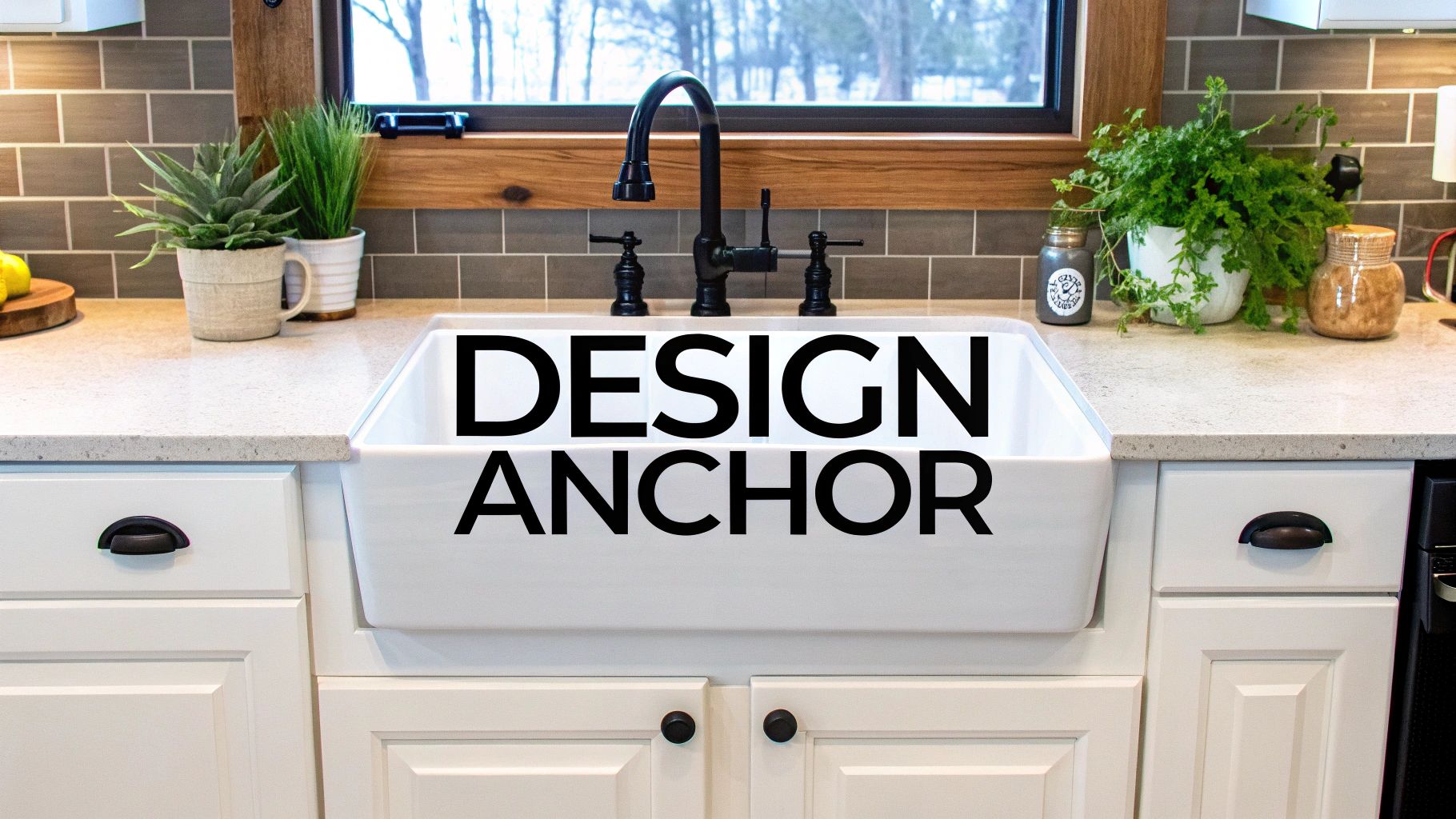
A farmhouse sink is so much more than just a place to wash dishes; it's a powerful design anchor that can set the tone for your entire kitchen. The most stunning results don't come from just dropping one into a finished space. Instead, you'll get a truly cohesive look by styling your kitchen around the sink, making it the genuine centrepiece it deserves to be.
This approach ensures every element, from your tapware right through to your benchtops and cabinetry, works together in perfect harmony. And don't be fooled into thinking they only suit country-style homes. The modern farmhouse sink is incredibly versatile and feels just as at home in sleek, contemporary spaces as it does in the coastal or industrial designs so popular across Australia.
Pairing Tapware for Form and Function
The tapware you choose is your sink’s most important partner. Because these sinks are so wonderfully deep, functionality is everything. A high-arc or gooseneck tap is practically a must-have, giving you plenty of clearance to fill tall pots and vases with ease. Pairing this with a pull-down sprayer is a total game-changer for rinsing out that big, beautiful basin.
Think about these popular combinations:
- Classic Bridge Taps: With separate hot and cold handles, these bring a timeless, traditional feel that perfectly complements a classic fireclay sink.
- Modern Gooseneck Taps: A single, elegant gooseneck tap in a finish like matte black or brushed brass creates a striking, contemporary contrast.
- Industrial-Style Sprayers: For a professional, functional edge, you can't go past the commercial-style, spring-loaded taps that work so well with stainless steel sinks.
Creating a Cohesive Look with Benchtops and Cabinets
Getting the combination of benchtops and cabinetry right can elevate your farmhouse sink in kitchen design from simply nice to truly spectacular. For a classic Hamptons or country farmhouse style, pairing a white fireclay sink with light-coloured stone or timber benchtops and shaker-style cabinets is a winning formula. Think whites, greys, or even a deep navy for the joinery.
But what if you're aiming for a more modern vibe? Try creating a bit of drama by contrasting a crisp white sink with dark benchtops like engineered quartz or even polished concrete. Flat-panelled, handleless cabinetry will complete that clean, minimalist look and make the sink a bold focal point. This growing demand for versatile kitchen fixtures is reflected in the global kitchen sink market, which hit a value of USD 4.72 billion in 2024.
The real secret is to see your sink, tapware, and benchtops as a single design unit. How these three elements interact will define the look and feel of your primary kitchen workspace, tying the entire room together.
Whether it’s a standalone feature or integrated into a larger workspace, the sink's prominent position often makes it a natural partner to a central island. If you're looking for some inspiration on how to make that work, check out our comprehensive guide on beautiful and practical kitchen island design ideas that complement any style.
Your Farmhouse Sink Questions Answered
Alright, so you’re pretty much sold on the idea of a farmhouse sink in your kitchen. You've mulled over the materials, weighed up the installation options, and picked a basin style. But a few practical, day-to-day questions are probably still bouncing around in your head.
Let's clear those up. Think of this as the final chat over a cuppa before you commit, giving you that last bit of confidence to go ahead with this stunning kitchen centrepiece.
Are Farmhouse Sinks Prone to Chipping or Scratching?
This is the big one we hear all the time, and honestly, it all comes down to the material you choose. A quality fireclay sink, for instance, is an absolute workhorse. It’s fired at ridiculously high temperatures, creating a super-tough surface that shrugs off scratches and chips from daily use.
Stainless steel is also incredibly durable, but it can pick up fine surface scratches over time. A lot of people actually grow to love this, as the tiny marks blend together to create a soft, lived-in patina that adds a bit of character. On the flip side, porcelain is beautiful but can be a bit more delicate, drop a heavy pot from a height, and it might chip.
The simplest and best trick in the book? Get a custom-fit sink grid. This little metal rack sits at the bottom of the basin, stopping heavy pots and pans from making direct contact and drastically cutting down the risk of any damage.
How Do You Clean and Maintain a Farmhouse Sink?
You’d think a sink this big would be a pain to clean, but it’s surprisingly straightforward. The secret is gentle, regular care rather than a big, harsh scrub every now and then.
- For Fireclay and Porcelain: A daily wipe-down with a soft cloth and a bit of mild dish soap is all you need. It’s best to steer clear of abrasive powders or harsh chemical cleaners, as they can dull that beautiful glossy finish over time.
- For Stainless Steel: Grab a non-abrasive cleaner and always wipe in the direction of the steel’s grain. This little tip prevents streaks and keeps it looking lustrous.
- A Tip for Any Material: Get into the habit of giving the sink a quick rinse after you use it and wiping it dry at the end of the day. It sounds simple, but this stops water spots and mineral buildup in their tracks, keeping your sink looking brand new for years.
Do I Need a Special Tap for a Farmhouse Sink?
You don't need a "special" tap, but you definitely need a practical one. Because farmhouse sinks are so deep, the right tap can make or break how well it works for you.
A tap with a high arc, often called a gooseneck, is pretty much essential. It gives you enough clearance to easily fill up tall stockpots. If you pair that with a pull-down sprayer, you've hit the jackpot, it makes rinsing food scraps from every corner of that big basin an absolute breeze. While a classic bridge tap can look gorgeous, a sleek, modern gooseneck creates a beautiful contrast. Just remember the tap is usually mounted on the benchtop behind the sink, not the sink itself, so make sure your plumber is across the plan.
Can a Farmhouse Sink Be Installed in Existing Cabinetry?
This is where things get tricky, and in most cases, we’d advise against it. A farmhouse sink in kitchen projects is a heavy beast and needs a custom-built support frame inside the base cabinet to safely hold its weight when it's full of water.
On top of that, the front of the cabinet has to be cut with precision to fit the exposed apron. Trying to retrofit a standard cabinet is a complex job for a skilled carpenter and, even then, the results can be a bit compromised. It’s far, far easier to plan for a farmhouse sink from the very beginning of a new build or full renovation. That way, the right custom cabinetry can be built to fit it perfectly from day one.
Ready to make your dream kitchen a reality with the perfect farmhouse sink? The expert team at Smarter Home Renovations has over 20 years of experience designing and building beautiful, functional kitchens across Melbourne. From custom cabinetry to flawless installation, we handle every detail. C
Contact us today for an on-site consultation and a transparent, no-hidden-costs quote.